.svg)
.svg)

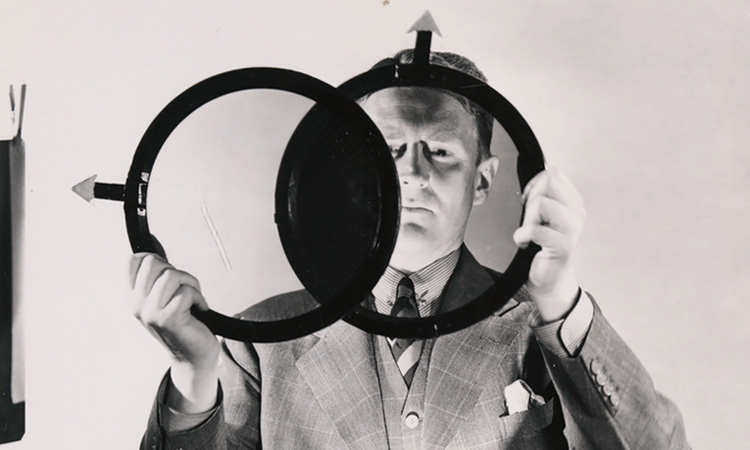
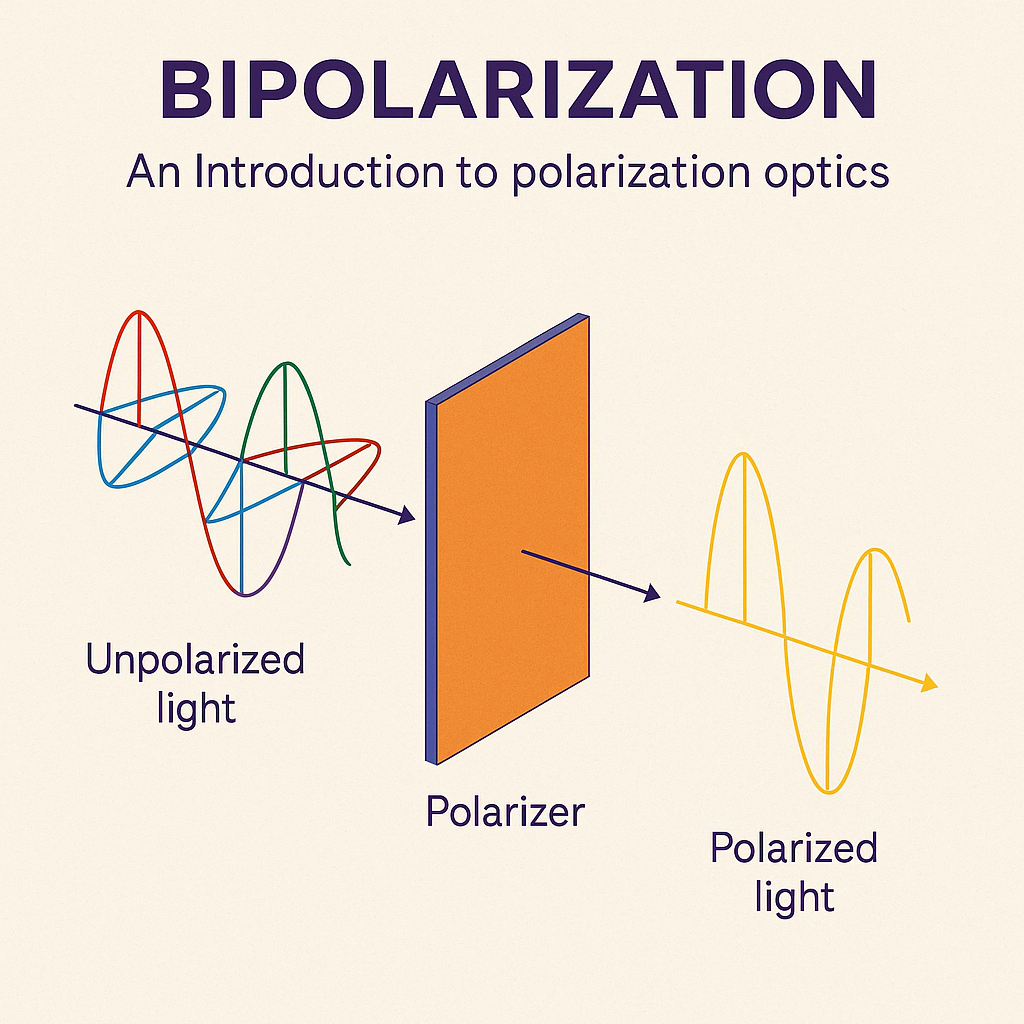
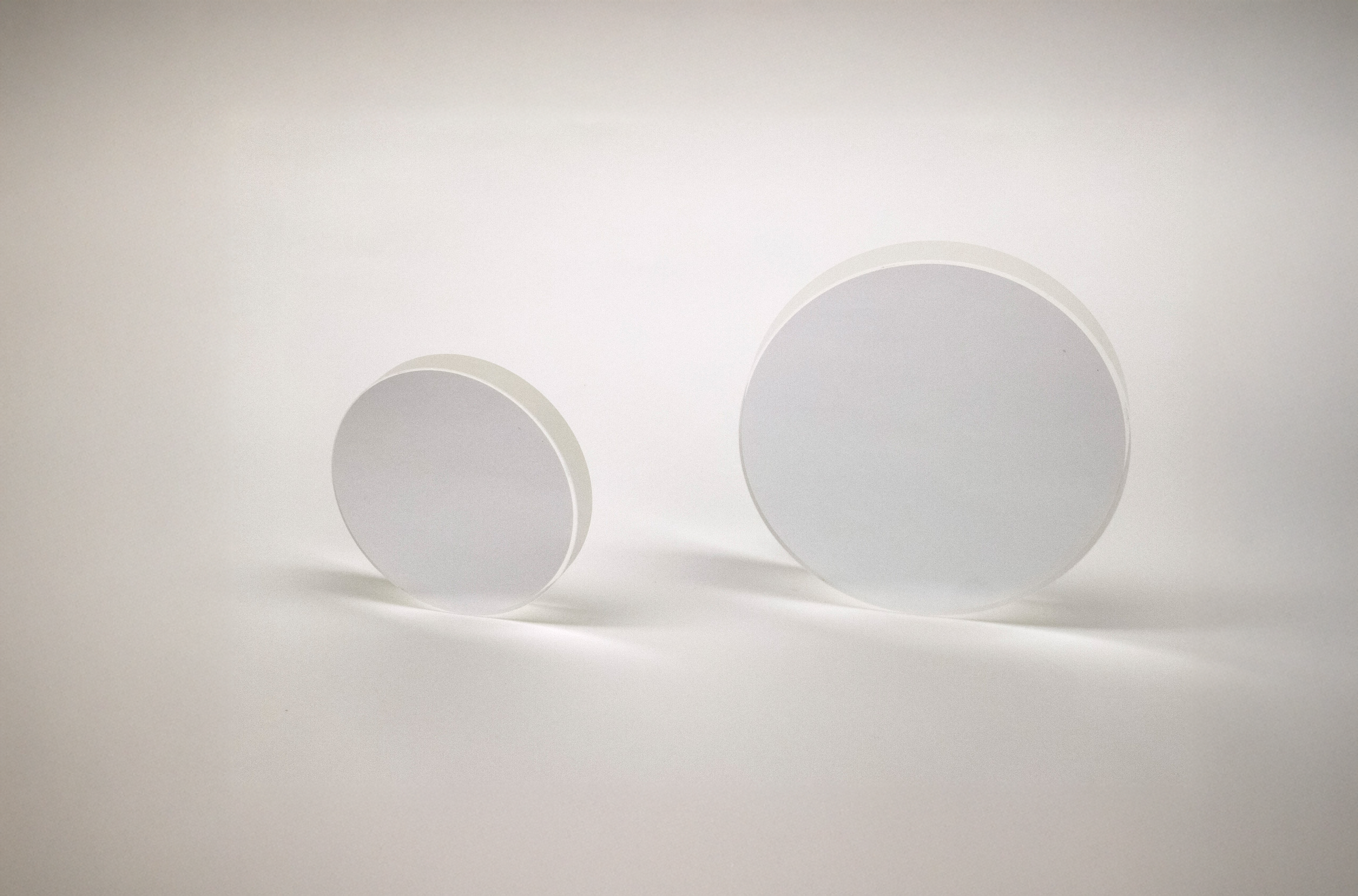
In the previous article, we talked about waveplates, which allow us to control the polarization of light by shifting the relative phase between polarization components. To complete the basic polarization toolkit, we also need to talk about polarizers. The role of polarizers is simple: to allow only a specific polarization of light to pass through, while filtering out all the rest. But how can we achieve this?
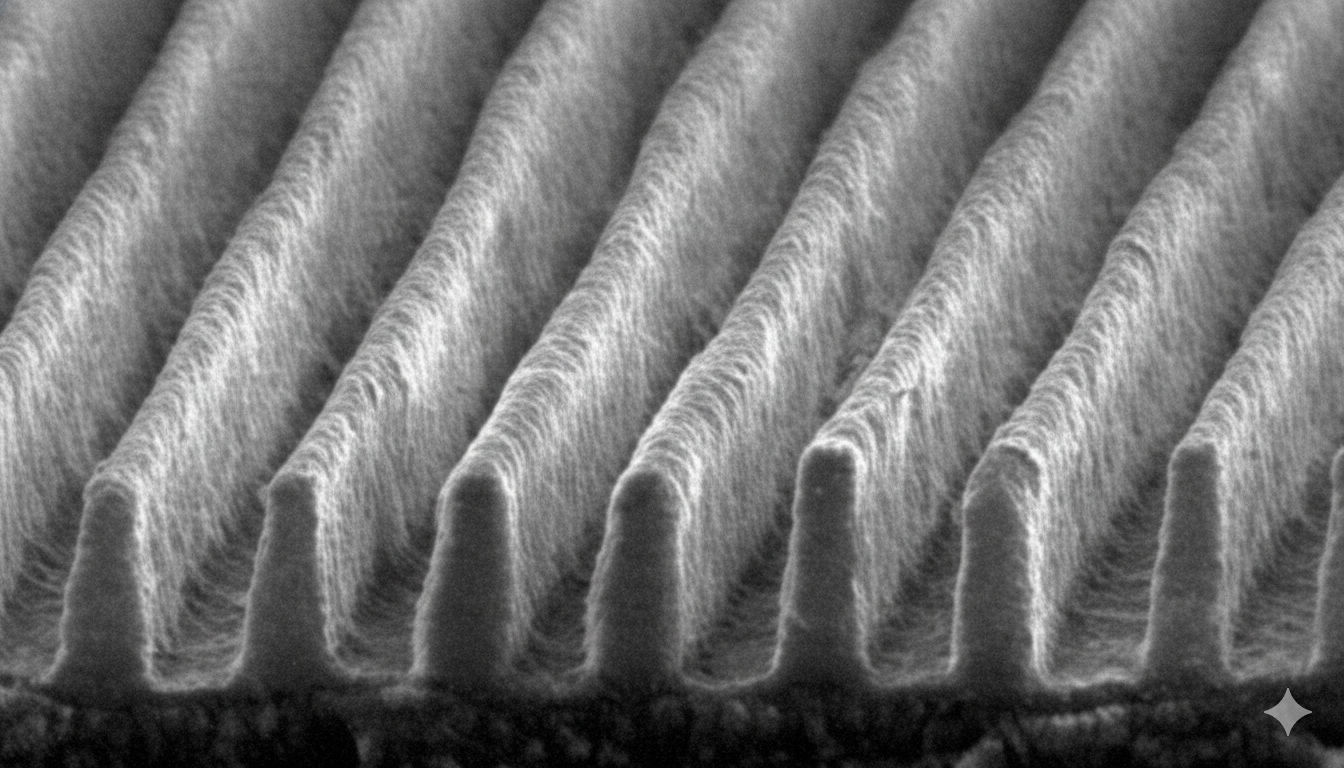
One direct method for creating polarizers is through wire-grid polarizers, which consist of a dense grid of tiny conductive wires. When light hits such a polarizer, the component of the electric field parallel to the wires induces electric currents, causing absorption or reflection of the light- just like when light hits a metal. In contrast, the component perpendicular to the wires is unaffected by this phenomenon and passes through the grid almost undisturbed.
A similar principle applies to certain crystals and to polymer materials like Polaroid. For example, when the polymer used in Polaroid is stretched, its carbon molecules align in a particular direction, forming a wire-grid-like mechanism at the molecular level.
Another way to select a specific polarization is by using Brewster’s angle. When light hits a surface at a certain angle - known as Brewster’s angle - the polarization perpendicular to the surface is significantly reflected, while the parallel polarization passes through almost entirely. Passing light through several such surfaces in a row allows near-perfect transmission of one polarization while rejecting the other.
Materials with polarization-dependent refractive indices, as mentioned earlier in the context of waveplates, can also be used to create polarizers. In this case, the different refractive indices of the material cause the polarization components to split into different directions, which enables the construction of advanced prism polarizers. We'll hear more about materials like these when we talk about spatial light modulators in a future article.
In the next articles in this series, we’ll talk about a variety of interesting applications for polarization technologies. Do you know what kind of technology your polarizers are based on? Share with us!

.jpg)


.png)