.svg)
.svg)
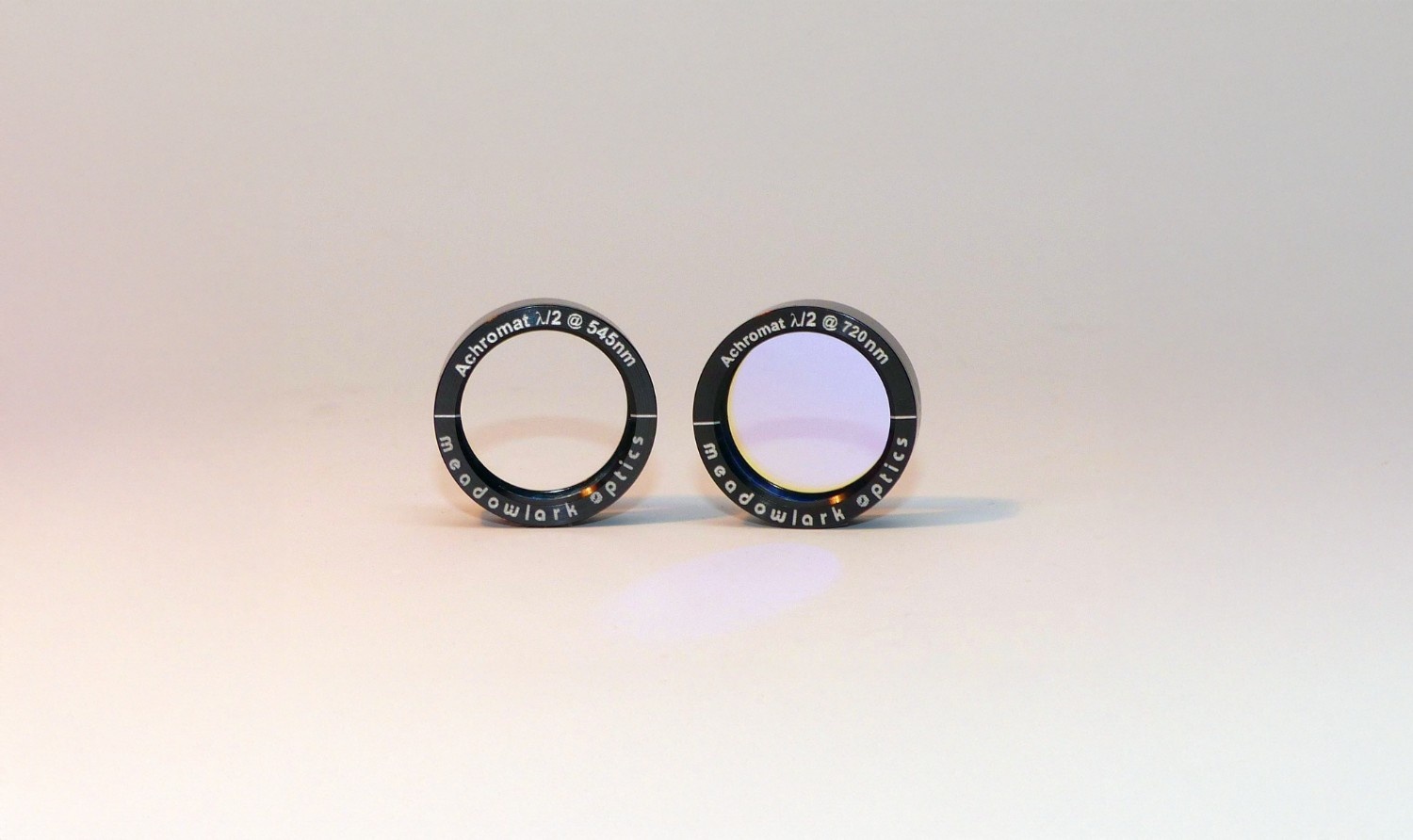

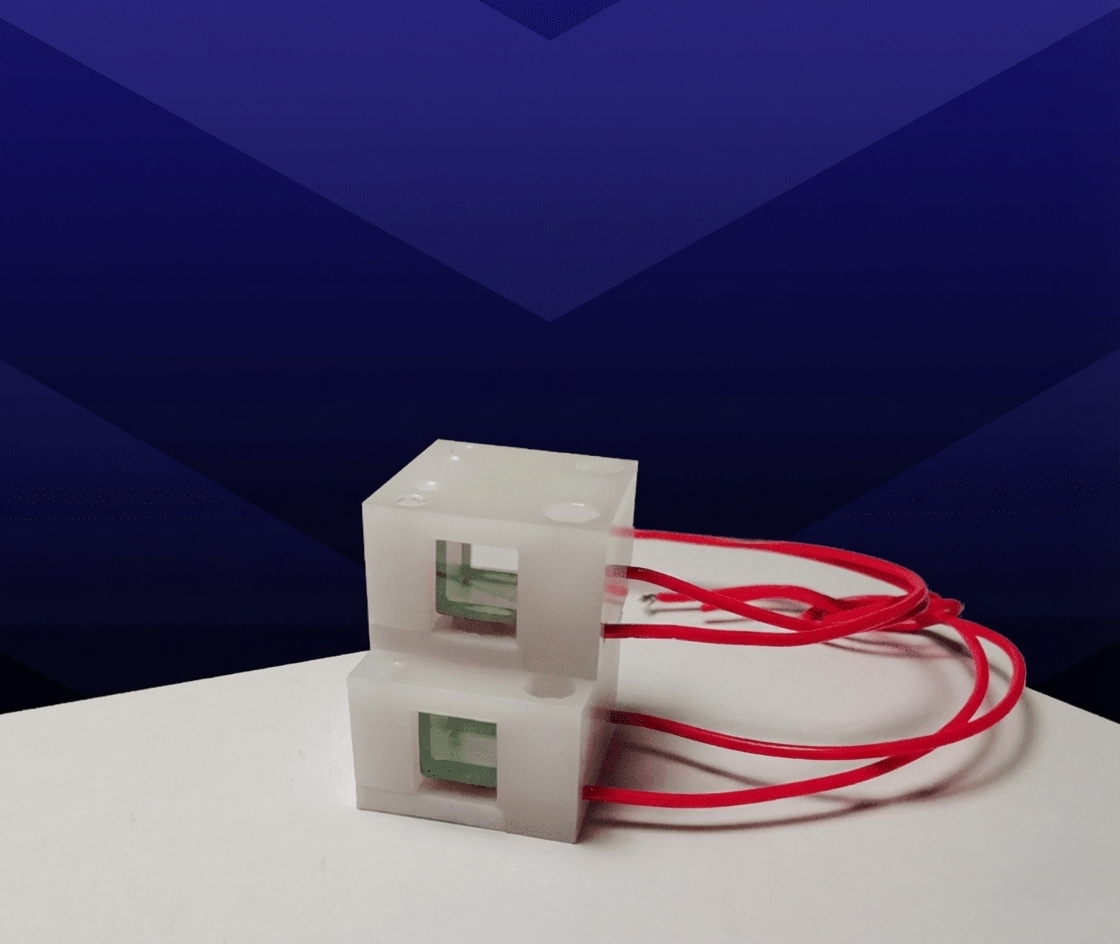
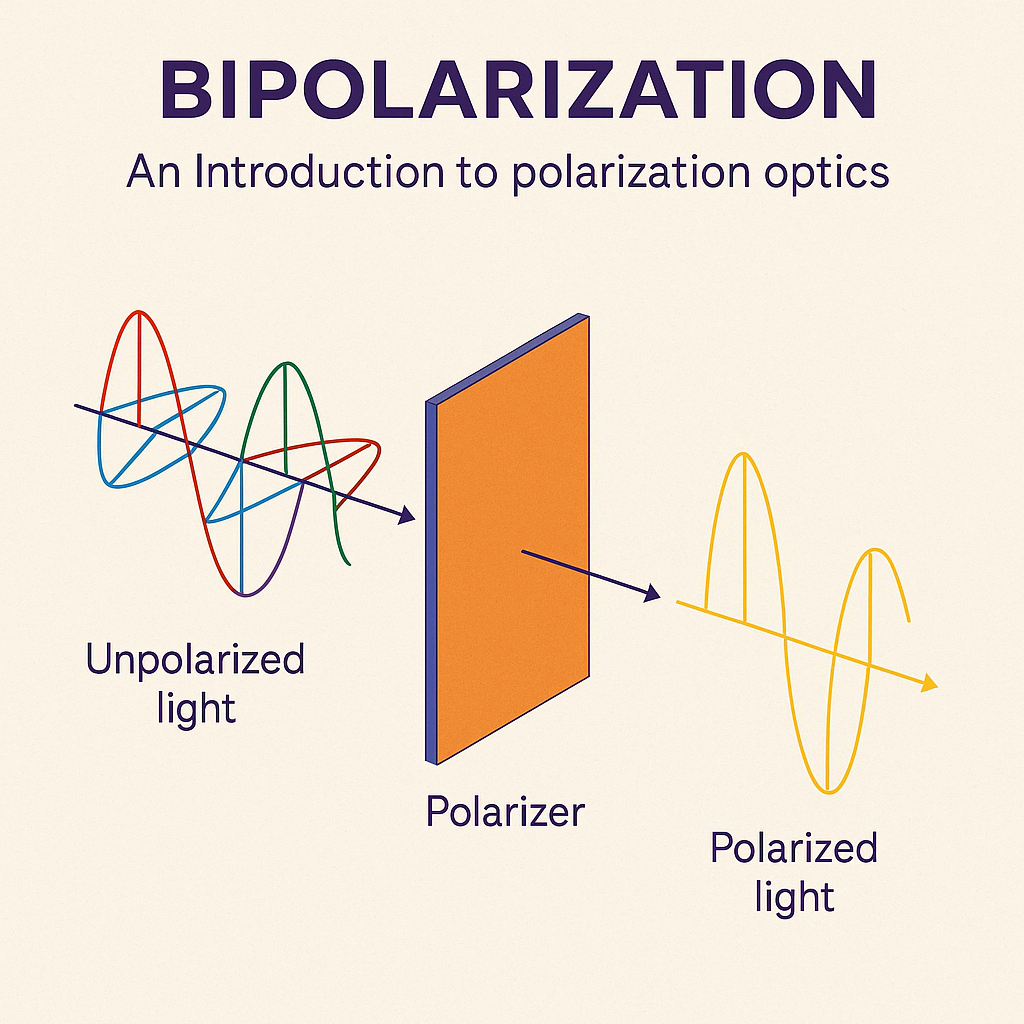
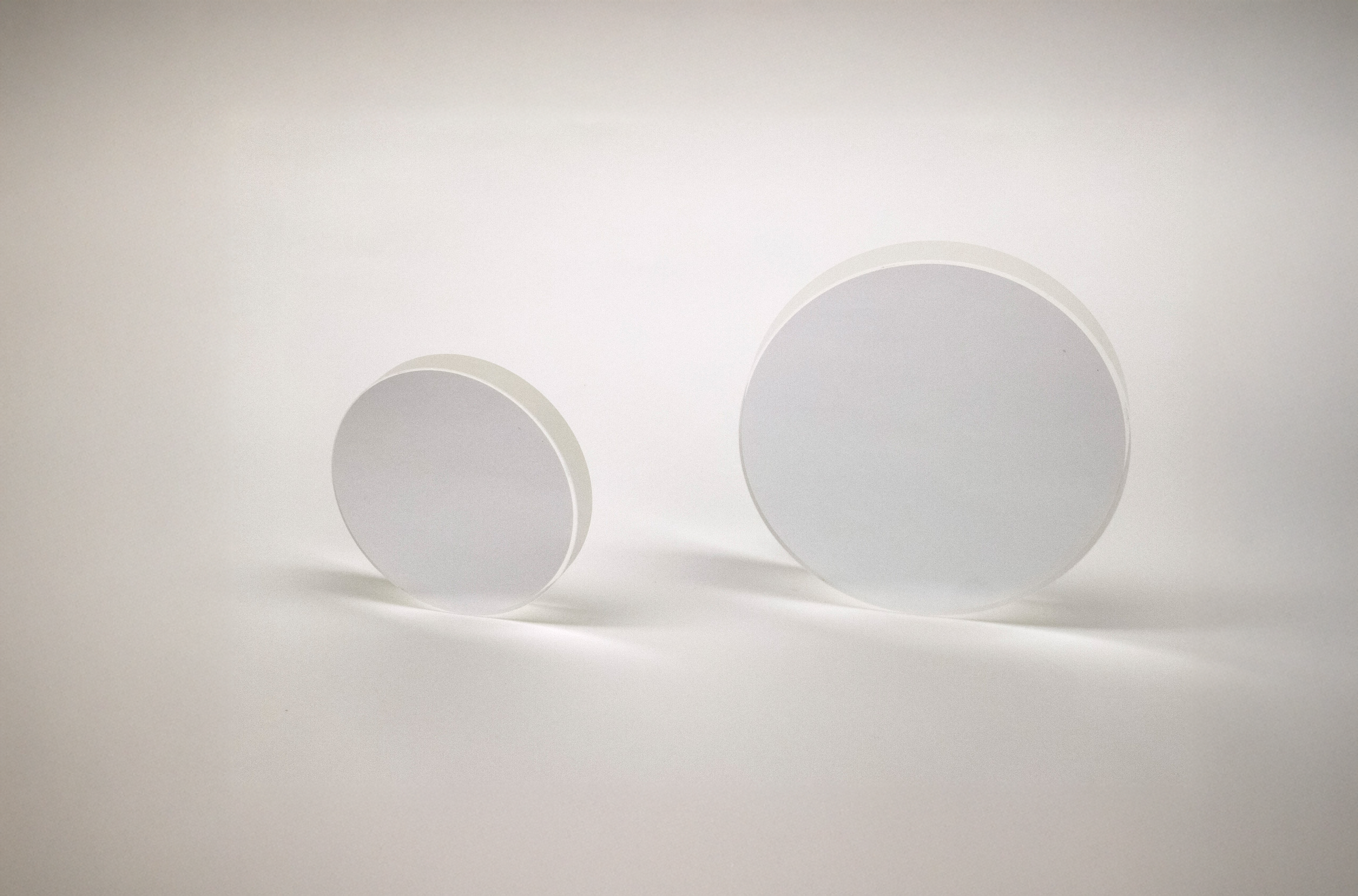
In the previous article, we explained what light polarization is and how it relates to the direction of the electric field. This time, we’ll learn about an optical component that lets us control polarization - the waveplate. A waveplate is a special optical device that introduces a phase difference between two perpendicular polarization components, a physical phenomenon known as birefringence. In other words, if light with both horizontal and vertical polarization components passes through a waveplate, the plate will cause the two components to accumulate different phases - and this changes the polarization at the output!
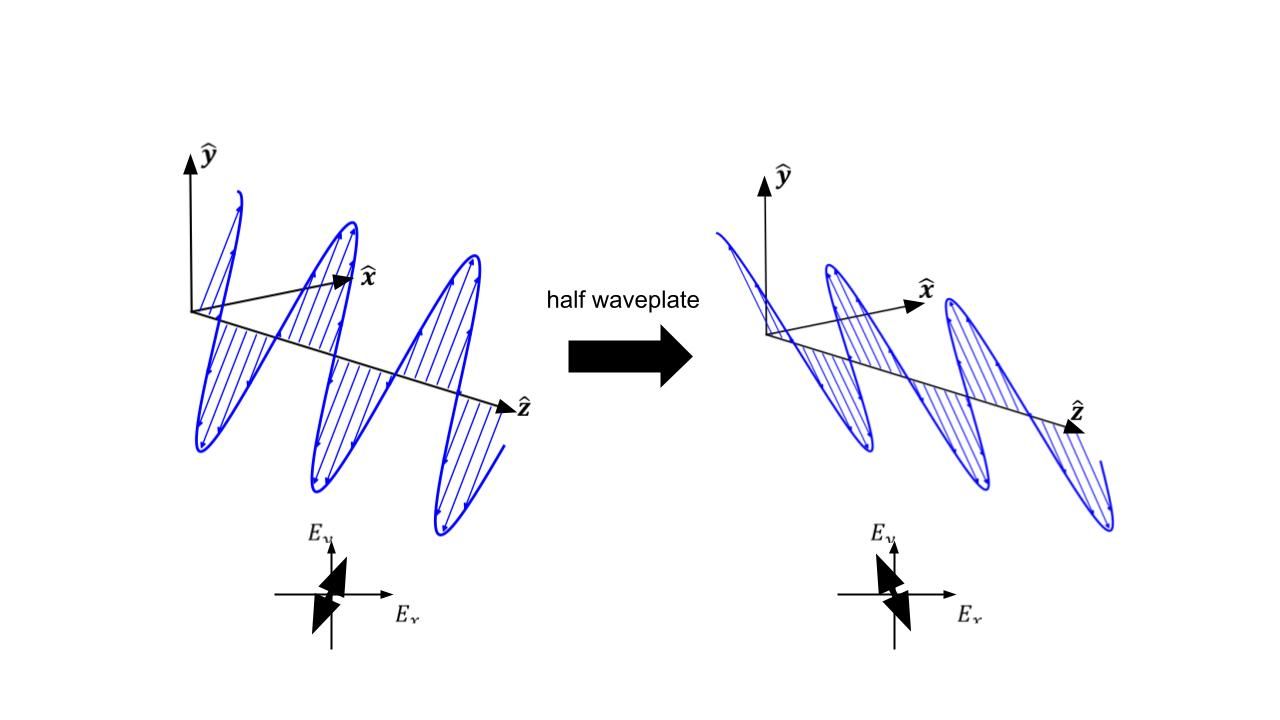
A standard example is the half-wave plate, which causes one of the polarization components to accumulate a 180° phase shift (half a wavelength) relative to the other. Simply put, it flips the sign of the polarization component aligned with its axis: if the plate is aligned along the Y-axis, and the incoming light is linearly polarized at some angle to that axis, after passing through the plate, the polarization will be flipped across the axis - meaning the angle stays the same, but the direction reverses (see illustration below).
Another popular waveplate is the quarter-wave plate, which similarly causes one of the components to accumulate a 90° phase shift (a quarter wavelength) relative to the other. This means that if light enters the plate linearly polarized at 45° to its axis, it becomes circularly polarized - and circularly polarized light entering the plate will become linearly polarized. In fact, by combining a half-wave plate with two quarter-wave plates, each placed at specific angles, you can convert any given polarization into any desired polarization!
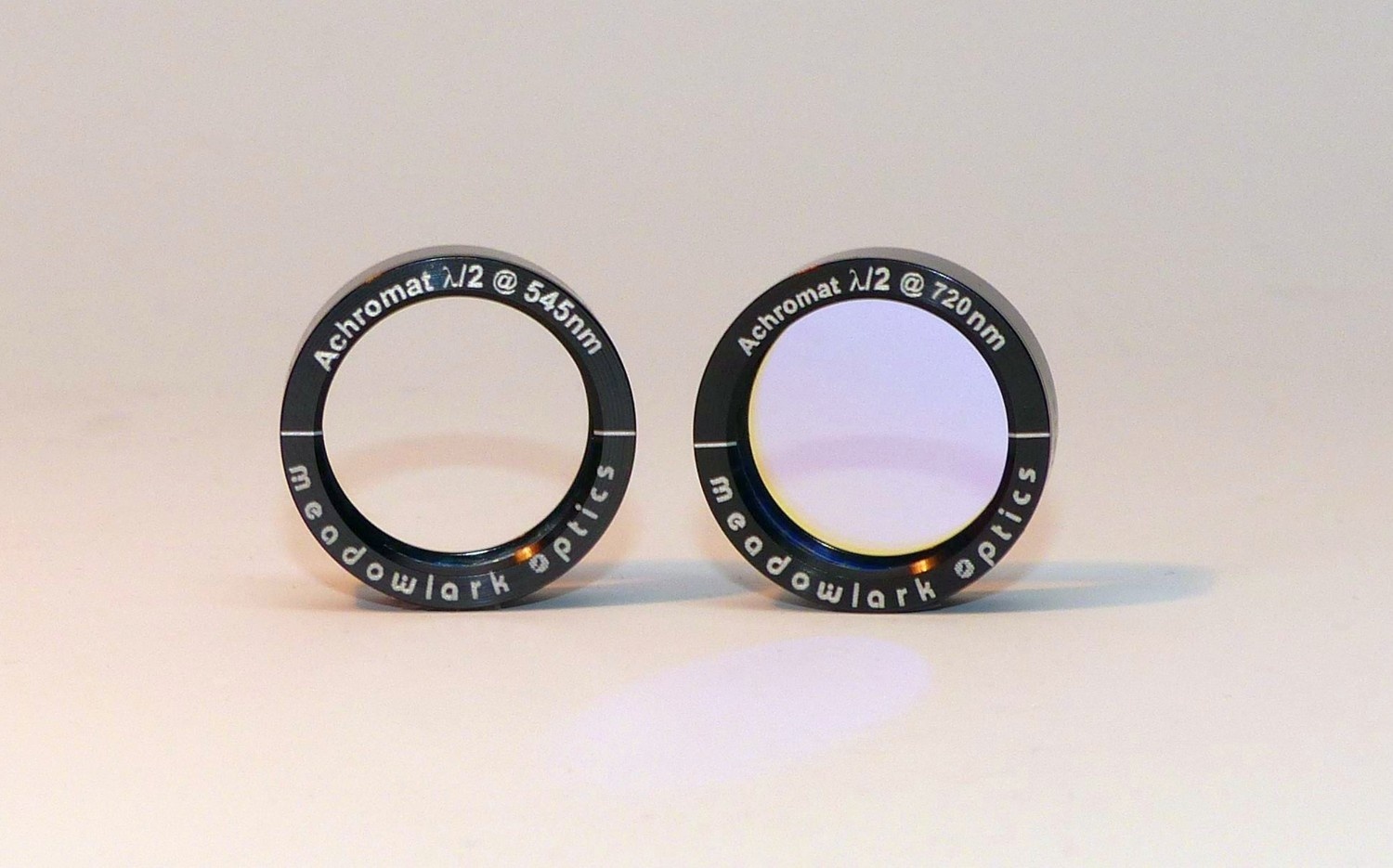
It’s important to know that there are two main types of waveplates: Zero Order and Multiple Order waveplates. Zero Order plates produce exactly the desired phase shift, with no tricks. Multiple Order plates take advantage of the fact that full-wavelength phase shifts (360°) don’t affect polarization, so they are designed with a total phase delay of several full wavelengths plus a half or quarter wave as needed. It turns out that these are significantly easier to manufacture. However, there’s a tradeoff - Multiple Order waveplates are much more sensitive to the wavelength of the light passing through them. So if you're working with a broadband light source, it’s worth investing in a Zero Order waveplate!
In the upcoming articles, we’ll dive into more components and technologies for polarization control - and how they can be used for exciting applications! Have you used waveplates in your systems? Share your experiences with us!


.jpg)


.png)