.svg)
.svg)




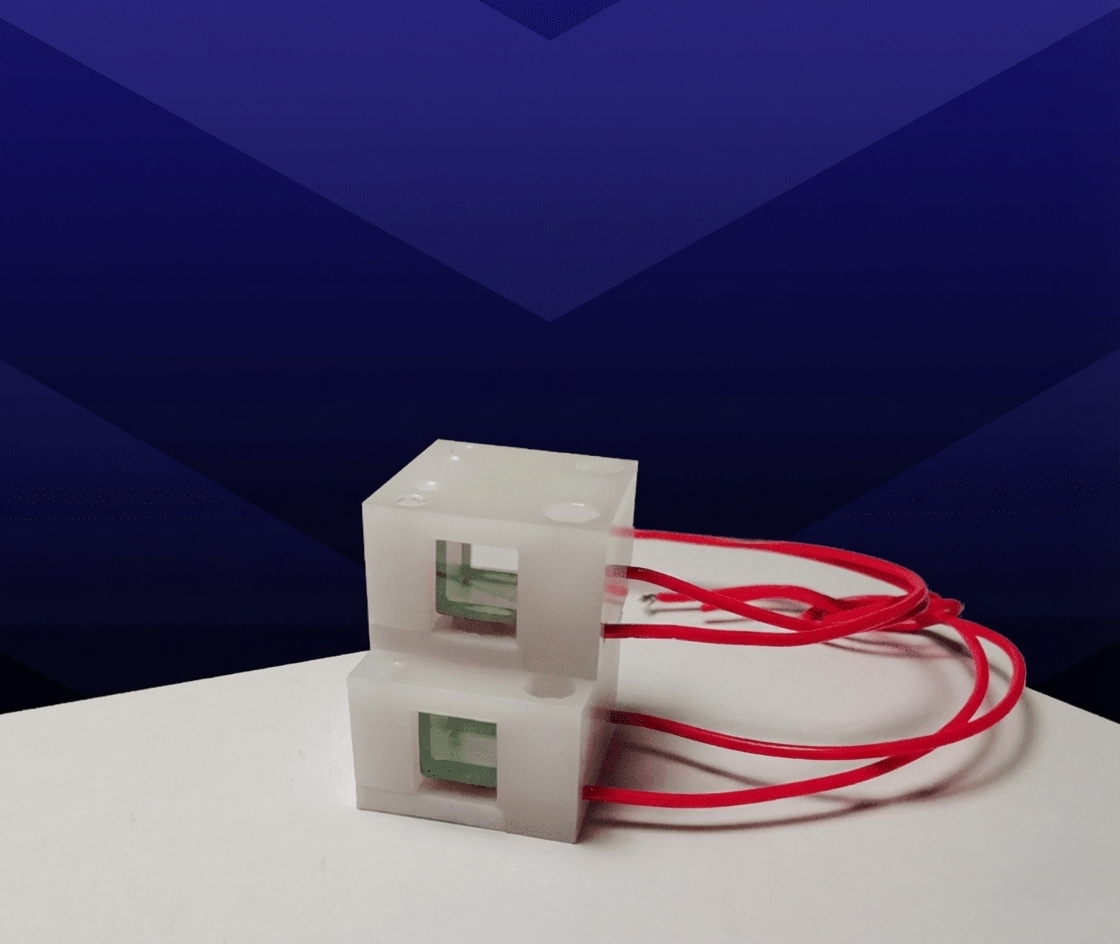
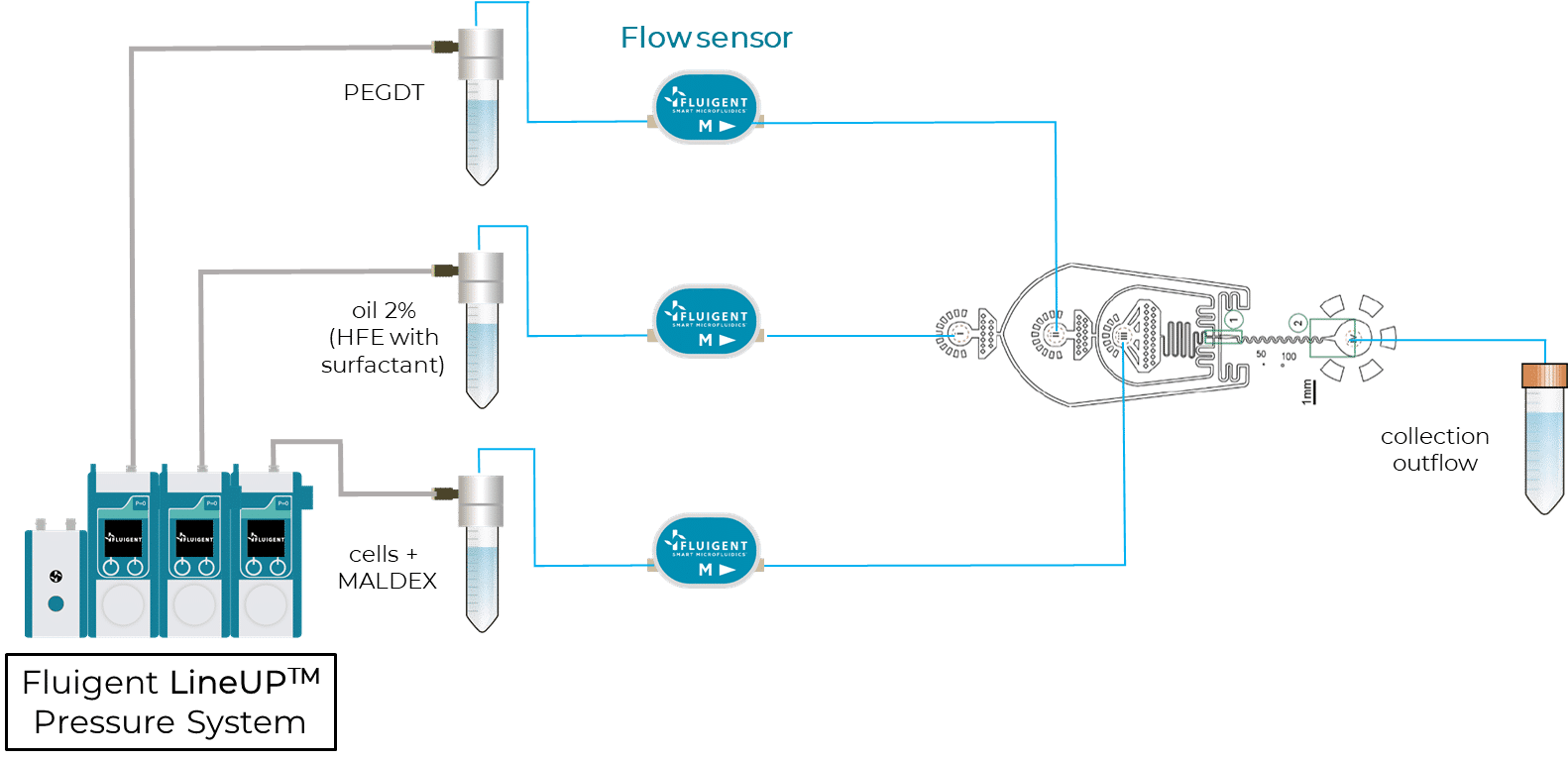
To support their innovative research, Bi-Pol supplied and installed a complete microfluidic control solution centered around Fluigent’s pressure-driven flow controllers and the OxyGEN software platform. These tools give researchers at the Ram Lab fine control over flow rates and pressures, enabling them to generate consistent droplets and hydrogel spheres for high-resolution single-cell studies.
Our team at Bi-Pol worked closely with the laboratory from the initial planning phase through final commissioning, ensuring the system was configured precisely for their experimental needs. After installation, we provided thorough training to lab personnel so they could confidently operate and integrate the microfluidic setup into their workflows.
We continue to support the Ram Lab to this day, responding promptly to any technical questions or challenges that arise. Whether it’s optimizing controller settings, updating software, or troubleshooting hardware issues, Bi-Pol remains a reliable partner, committed to helping our customer achieve exceptional research outcomes.
This collaboration reflects Bi-Pol’s dedication to not only delivering advanced scientific equipment, but also ensuring long-term success through responsive service and expert support.
More about The Epigenomics Ram Laboratory:
The Epigenomics Ram Laboratory, part of the Department of Biological Chemistry of Alexander Siberman Institute of Life Sciences at The Hebrew University in Jerusalem, Israel. The Ram Laboratory’s mission is to characterize chromatin mechanisms and transcriptional output at the single-cell level to better understand cellular processes in health and disease. To do so, they develop and utilize cutting-edge technology including microfluidics, molecular and cellular biology, and computational biology.
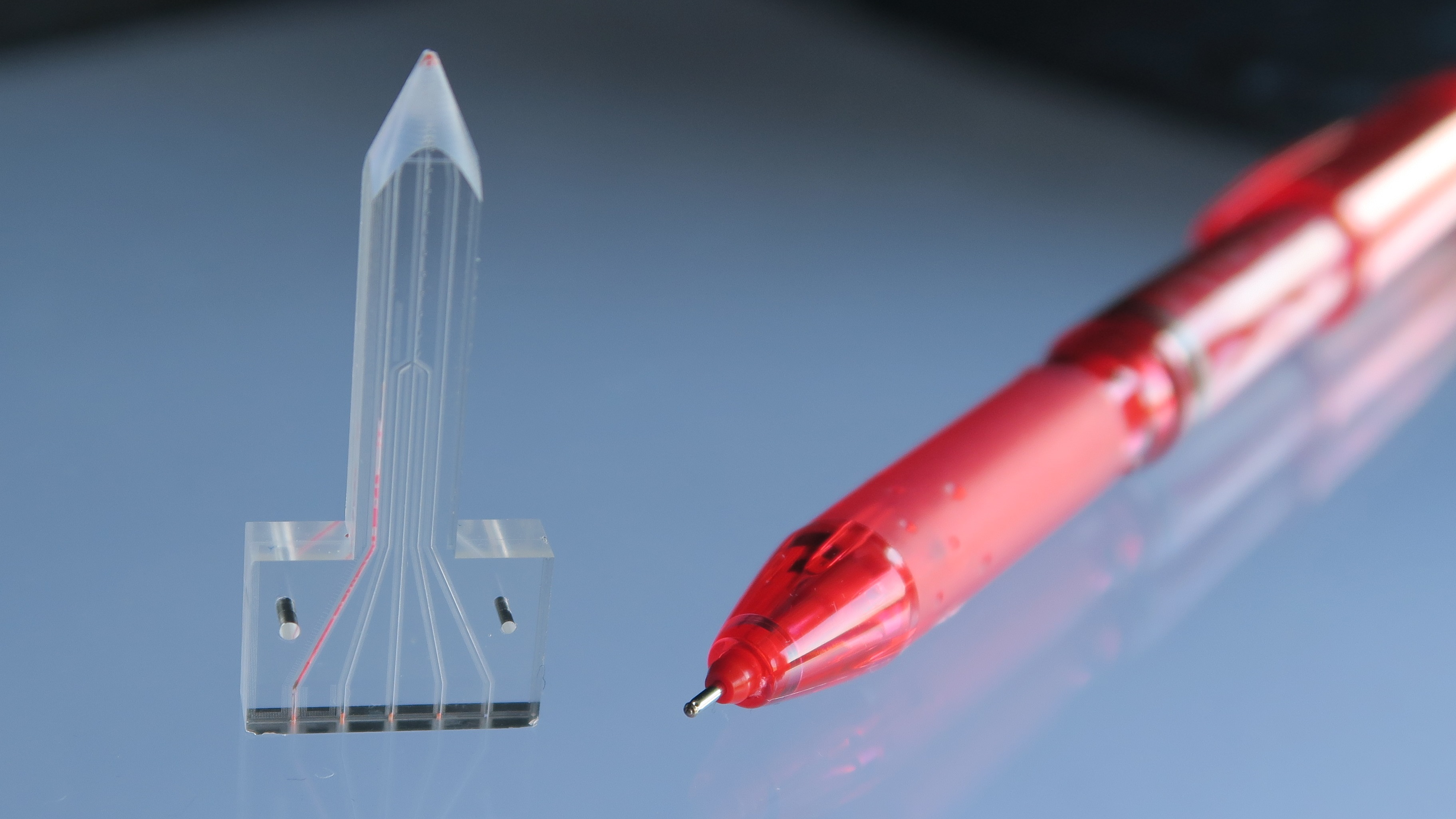
More specifically, they adapt RNA-seq and ChIP-seq methods at the single-cell level using droplet-based microfluidic devices, such as Fluigent’s pressure-driven flow controllers along with a dedicated software for microfluidic applications. CloneSeq combines clonal expansion inside three-dimensional (3D) hydrogel spheres and droplet-based single cell sequencing and allows for the identification of the presence of novel cancer-specific subpopulations.




.jpg)



.png)