Polarizers

Polarizing Beamsplitters Plates

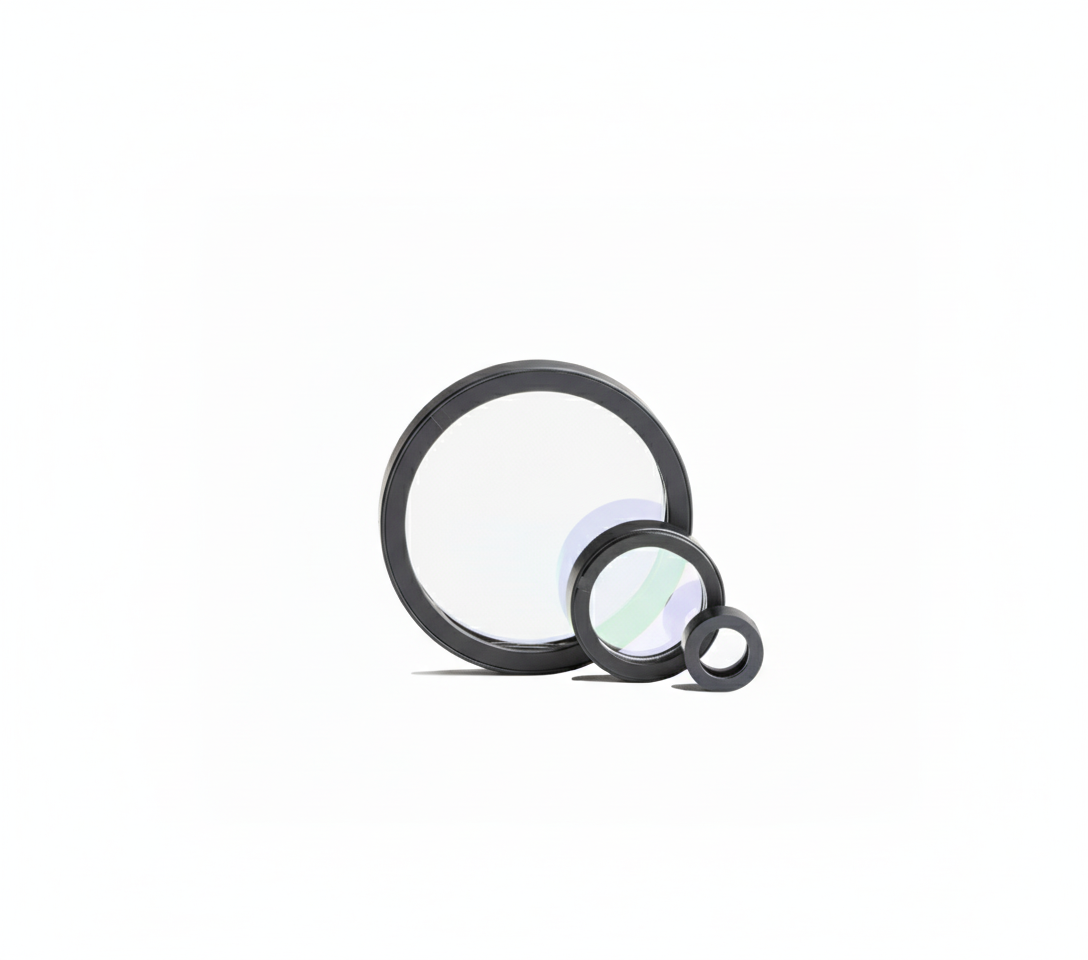
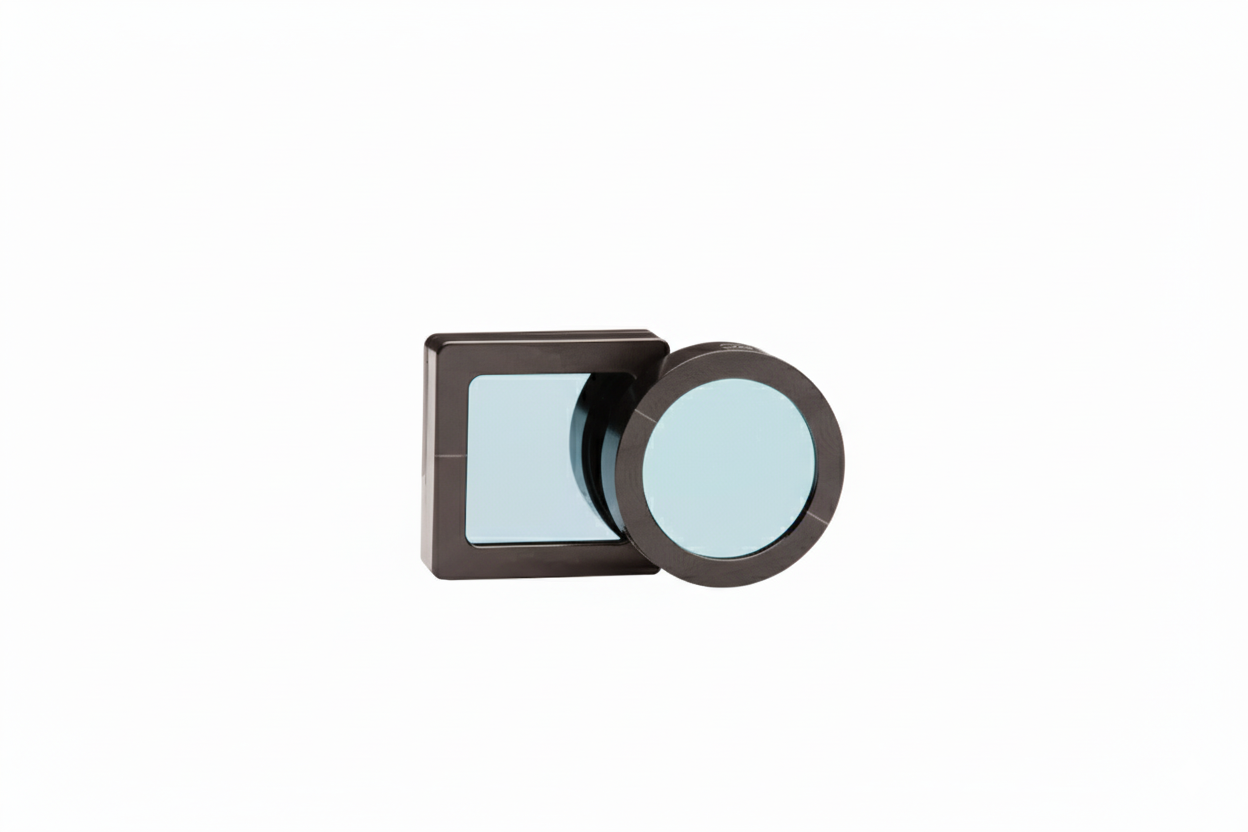
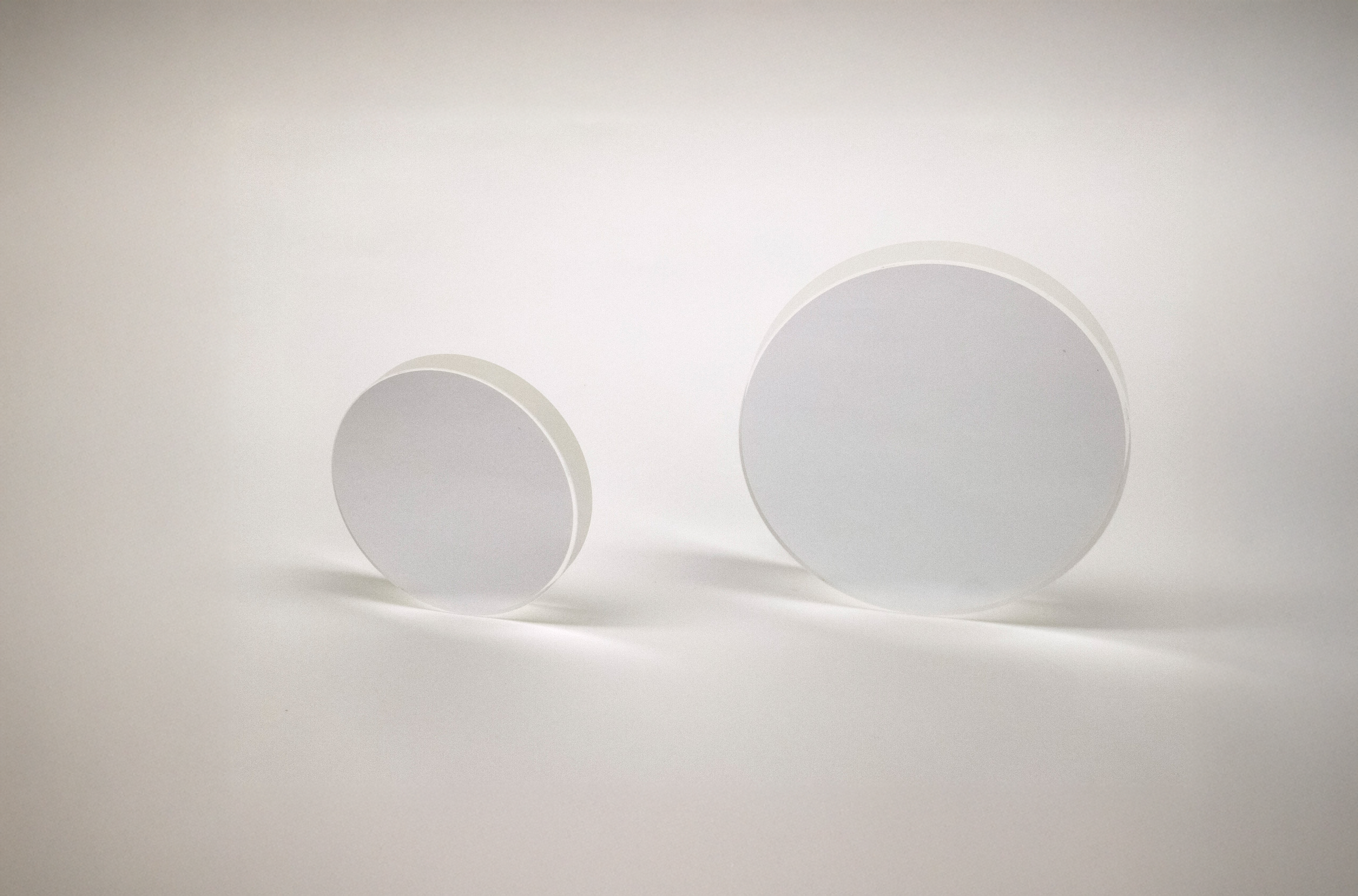
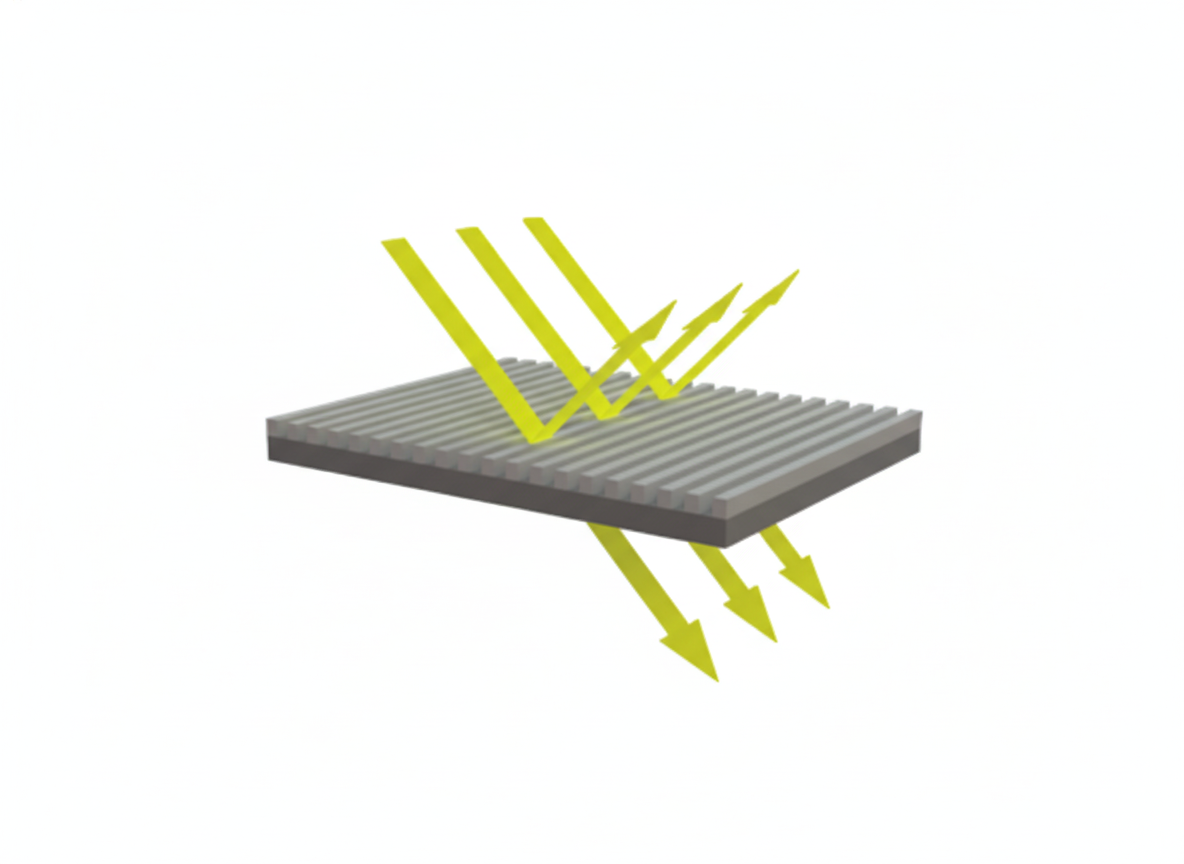
The Moxtek ProFlux® Polarizing Beamsplitters (PBS) are precision wire-grid optics engineered to split unpolarized light into transmitted p-polarization and reflected s-polarization, optimized at a 45° angle of incidence for high brightness and contrast.
PBS
Polarizing Beam Splitters
WG
Wire-grid Technology

The Moxtek ProFlux line of polarizing beamsplitters is designed for demanding optical systems where high brightness, high contrast, large angular aperture, and long-term durability are required. These devices use an embedded wire-grid (nanowire) polarizer structure rather than more conventional polymer film or MacNeille-cube approaches.
not sure what fits?

Let us help you

We love to solve this puzzle and find the right fit.
Heading for types of this product
Green Architecture
Evermind™ template is crafted like sustainable structures — clean, scalable, and built to last.
Precision Engineering
Every layout and component is tuned with variables and pixel-perfect details, so your brand stands on solid ground.
Dynamic Interactions
From nature-inspired transitions to fluid page structures, Evermind™ feels alive yet quietly sophisticated.
Green Architecture
Evermind™ template is crafted like sustainable structures — clean, scalable, and built to last.
Precision Engineering
Every layout and component is tuned with variables and pixel-perfect details, so your brand stands on solid ground.
Dynamic Interactions
From nature-inspired transitions to fluid page structures, Evermind™ feels alive yet quietly sophisticated.

Key Features & Advantages

  • Wire-grid nanostructure: Moxtek’s PBS uses sub-wavelength metal (typically aluminum) nanowires deposited on a substrate to create the polarizing effect. This offers significant benefits: stable inorganic materials, less degradation with time or under high flux, and consistent performance across angle and wavelength.
  • Optimized for 45° incidence: The ProFlux beamsplitters are engineered with a 45° angle of incidence in mind, which is common in many optical systems.
  • Wide angular acceptance and low f/# suitability: These beamsplitters maintain performance even with fast optical systems (for example f/# < 2) and large cone angles. In one study, the ICE Cube version tolerated ±20° azimuthal and ±10° polar angular deviation with minimal performance drop.
  • High durability and thermal resistance: The inorganic construction and robust coatings permit extended operation at elevated temperatures (200 °C or more in some designs) and high luminous flux.
  • Excellent contrast and color uniformity: Compared to MacNeille cube or polymer film designs, Moxtek’s wire-grid PBS show much better color uniformity, contrast leakage (blocking of unwanted polarization) and angular stability.
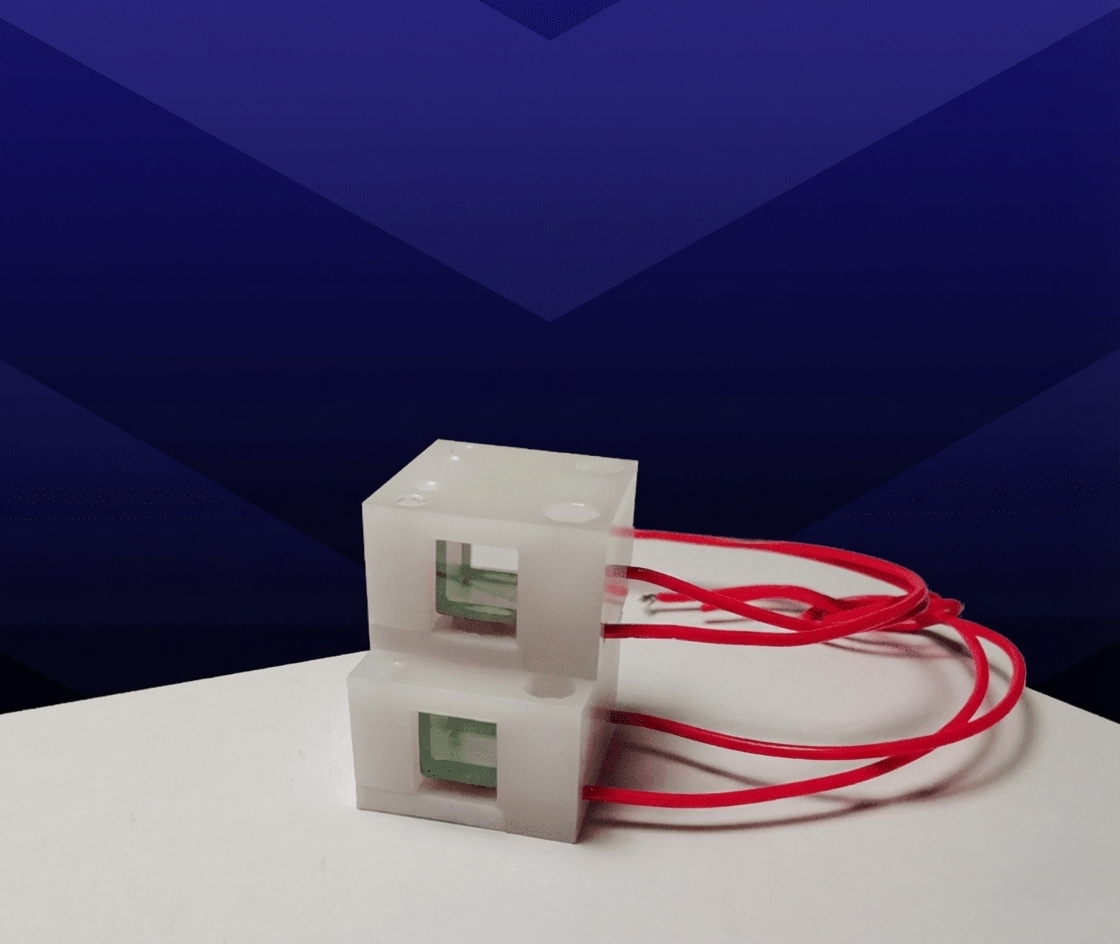
  • Versatile form factors: Available as plates (flat beamsplitter plates) or as cubes (ICE Cube® style) to suit design constraints such as path-length matching, space/weight reduction, and optical alignment.

Key Features & Advantages

  • Wire-grid nanostructure: Moxtek’s PBS uses sub-wavelength metal (typically aluminum) nanowires deposited on a substrate to create the polarizing effect. This offers significant benefits: stable inorganic materials, less degradation with time or under high flux, and consistent performance across angle and wavelength.
  • Optimized for 45° incidence: The ProFlux beamsplitters are engineered with a 45° angle of incidence in mind, which is common in many optical systems.
  • Wide angular acceptance and low f/# suitability: These beamsplitters maintain performance even with fast optical systems (for example f/# < 2) and large cone angles. In one study, the ICE Cube version tolerated ±20° azimuthal and ±10° polar angular deviation with minimal performance drop.
  • High durability and thermal resistance: The inorganic construction and robust coatings permit extended operation at elevated temperatures (200 °C or more in some designs) and high luminous flux.
  • Excellent contrast and color uniformity: Compared to MacNeille cube or polymer film designs, Moxtek’s wire-grid PBS show much better color uniformity, contrast leakage (blocking of unwanted polarization) and angular stability.
  • Versatile form factors: Available as plates (flat beamsplitter plates) or as cubes (ICE Cube® style) to suit design constraints such as path-length matching, space/weight reduction, and optical alignment.

Key Features & Advantages

  • Wire-grid nanostructure: Moxtek’s PBS uses sub-wavelength metal (typically aluminum) nanowires deposited on a substrate to create the polarizing effect. This offers significant benefits: stable inorganic materials, less degradation with time or under high flux, and consistent performance across angle and wavelength.
  • Optimized for 45° incidence: The ProFlux beamsplitters are engineered with a 45° angle of incidence in mind, which is common in many optical systems.
  • Wide angular acceptance and low f/# suitability: These beamsplitters maintain performance even with fast optical systems (for example f/# < 2) and large cone angles. In one study, the ICE Cube version tolerated ±20° azimuthal and ±10° polar angular deviation with minimal performance drop.
  • High durability and thermal resistance: The inorganic construction and robust coatings permit extended operation at elevated temperatures (200 °C or more in some designs) and high luminous flux.
  • Excellent contrast and color uniformity: Compared to MacNeille cube or polymer film designs, Moxtek’s wire-grid PBS show much better color uniformity, contrast leakage (blocking of unwanted polarization) and angular stability.
  • Versatile form factors: Available as plates (flat beamsplitter plates) or as cubes (ICE Cube® style) to suit design constraints such as path-length matching, space/weight reduction, and optical alignment.
Contact Us for Free Consultation

Typical Applications

  • Projection displays (2D/3D), where bright uniform images and contrast are critical.
  • Head-Mounted Displays (HMDs) and Head-Up Displays (HUDs) in AR/VR systems, where compactness, large field-angle, and polarization fidelity are required.
  • Scientific and medical imaging systems, spectroscopy, interferometry that require polarization splitting with minimal ghosting and minimal beam shift.
  • Any optical design where a robust beamsplitter with high polarization purity, wide spectral response and wide angular range is beneficial.

Typical Applications

  • Projection displays (2D/3D), where bright uniform images and contrast are critical.
  • Head-Mounted Displays (HMDs) and Head-Up Displays (HUDs) in AR/VR systems, where compactness, large field-angle, and polarization fidelity are required.
  • Scientific and medical imaging systems, spectroscopy, interferometry that require polarization splitting with minimal ghosting and minimal beam shift.
  • Any optical design where a robust beamsplitter with high polarization purity, wide spectral response and wide angular range is beneficial.

Typical Applications

  • Projection displays (2D/3D), where bright uniform images and contrast are critical.
  • Head-Mounted Displays (HMDs) and Head-Up Displays (HUDs) in AR/VR systems, where compactness, large field-angle, and polarization fidelity are required.
  • Scientific and medical imaging systems, spectroscopy, interferometry that require polarization splitting with minimal ghosting and minimal beam shift.
  • Any optical design where a robust beamsplitter with high polarization purity, wide spectral response and wide angular range is beneficial.

Related products
Related News For this Product
ready to start?
Stuck with a spec sheet that reads like sci-fi? Need a component that probably doesn't exist yet? Let's make it happen. Together.
FAQ

Questions, answered with clarity.

We’ve collected the questions we get all the time, and actually answered them. No mystery, no marketing poetry - just facts. Still have an open question? We're here to help:
Contact Us
Advanced Nanostructured Optics and Polarization Solutions
What key features distinguish these polarizing beamsplitters from conventional ones?

They use a wire-grid polarizing structure optimized for ~45° angle of incidence, offering high brightness/contrast uniformity, wide angular acceptance, and high thermal/flux durability.

Can you customise the substrate thickness or material?

Yes - for example the difference between “PBS02A” (0.7 mm display-grade glass) and “PBF02A” (1.6 mm Borofloat) indicates substrate options.

If I need a very flat substrate (for example better than 3 waves/inch), is that possible?

Yes, you can specify flatness better than 3 waves/inch for beamsplitter products.

What environments or conditions are these particularly well-suited to?

Because they are made of inorganic materials (nano-wire grid on glass/Si/etc) they excel in high temperature, high luminous flux, wide angle optics (such as for displays, projectors, HMD/HUD) where polymer film alternatives degrade.

What makes these beamsplitter plates better than polymer polarizer/beam-splitter alternatives?

The inorganic nanowire structure offers higher temperature and flux tolerance and better durability for demanding optical systems (e.g., projectors or lasers).

What special handling requirements are there for your beamsplitters?

Handle them only by the edges to avoid touching the coated surface. Use clean, powder-free gloves, and keep the optic in a dust-free environment. If cleaning is necessary, use a gentle air bulb first, then a soft solvent wipe with minimal pressure. Avoid abrasive materials, sharp tweezers, and rapid temperature changes. Store the beamsplitter in its protective packaging when not in use to prevent scratches or contamination.

New Products
Facing a Challenge? Let’s Solve It Together