polarizers

IR Polarizers

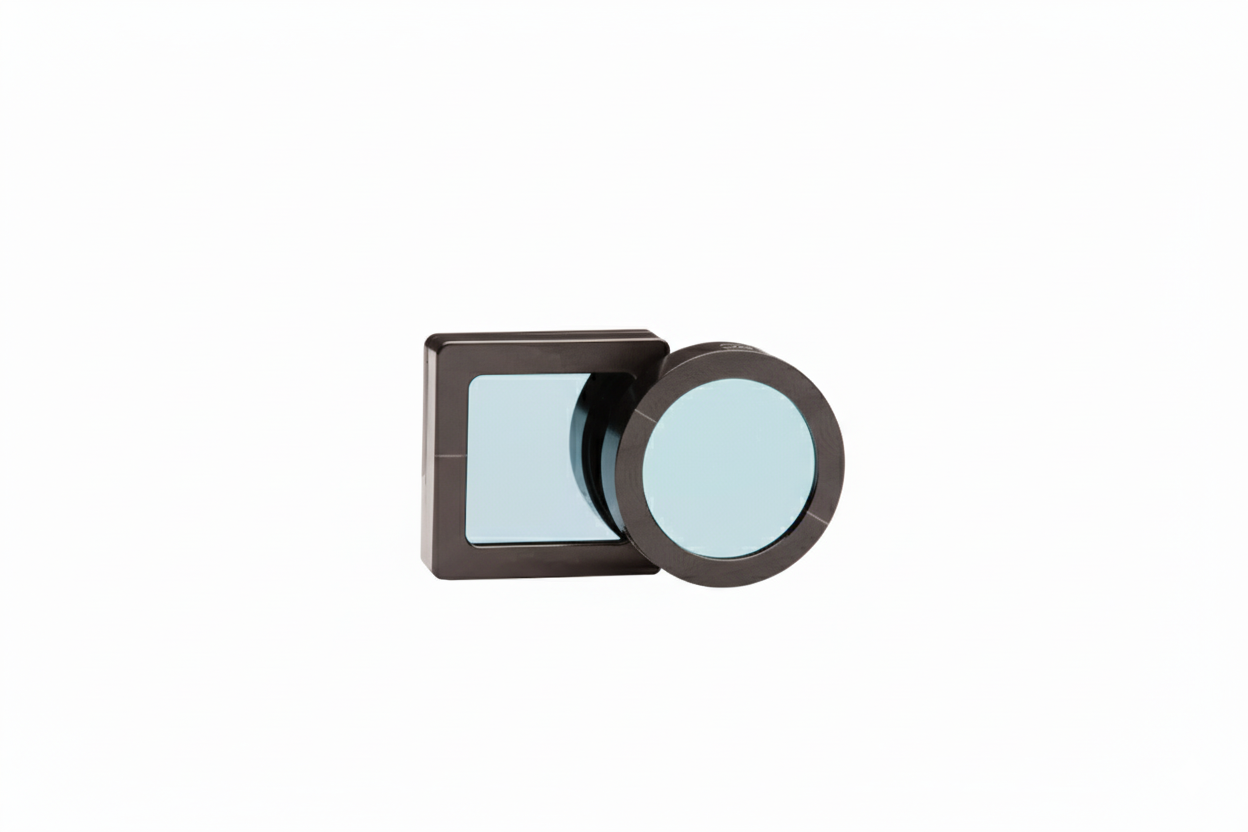
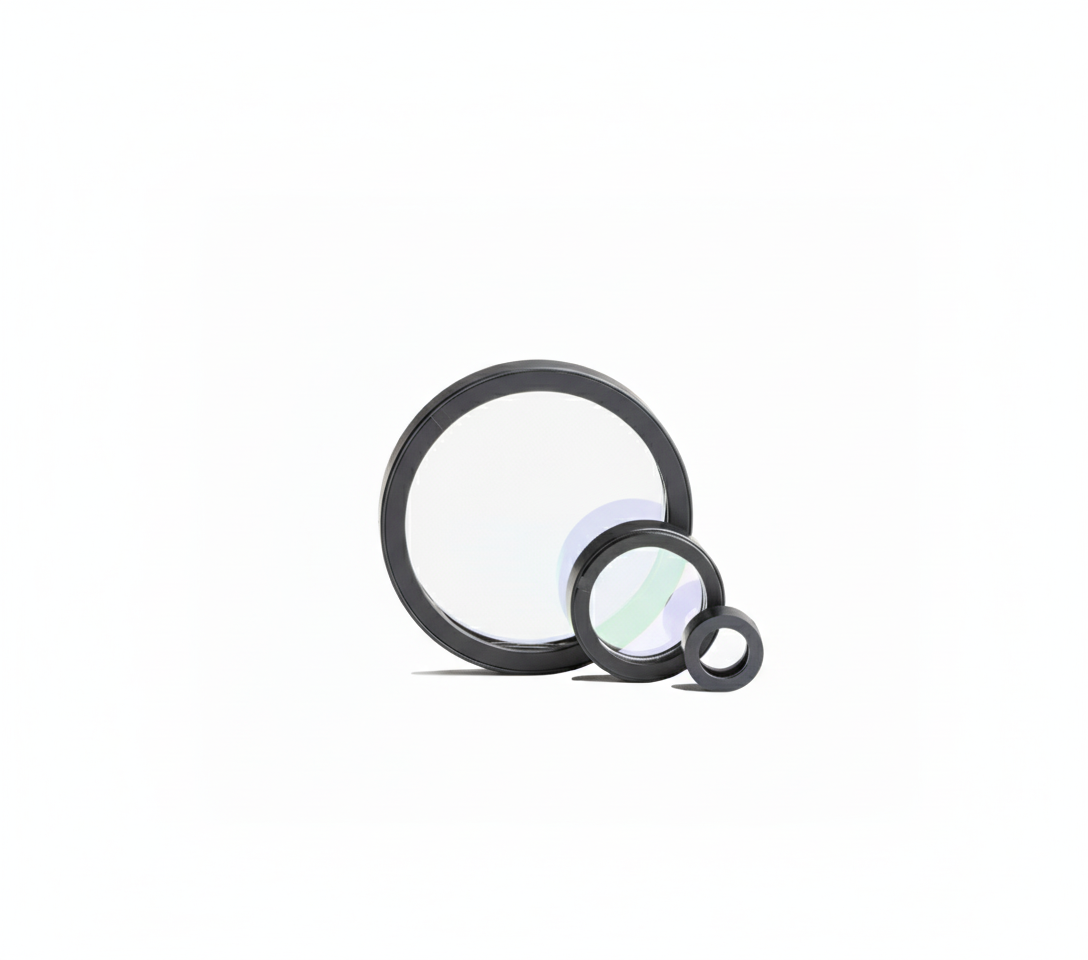
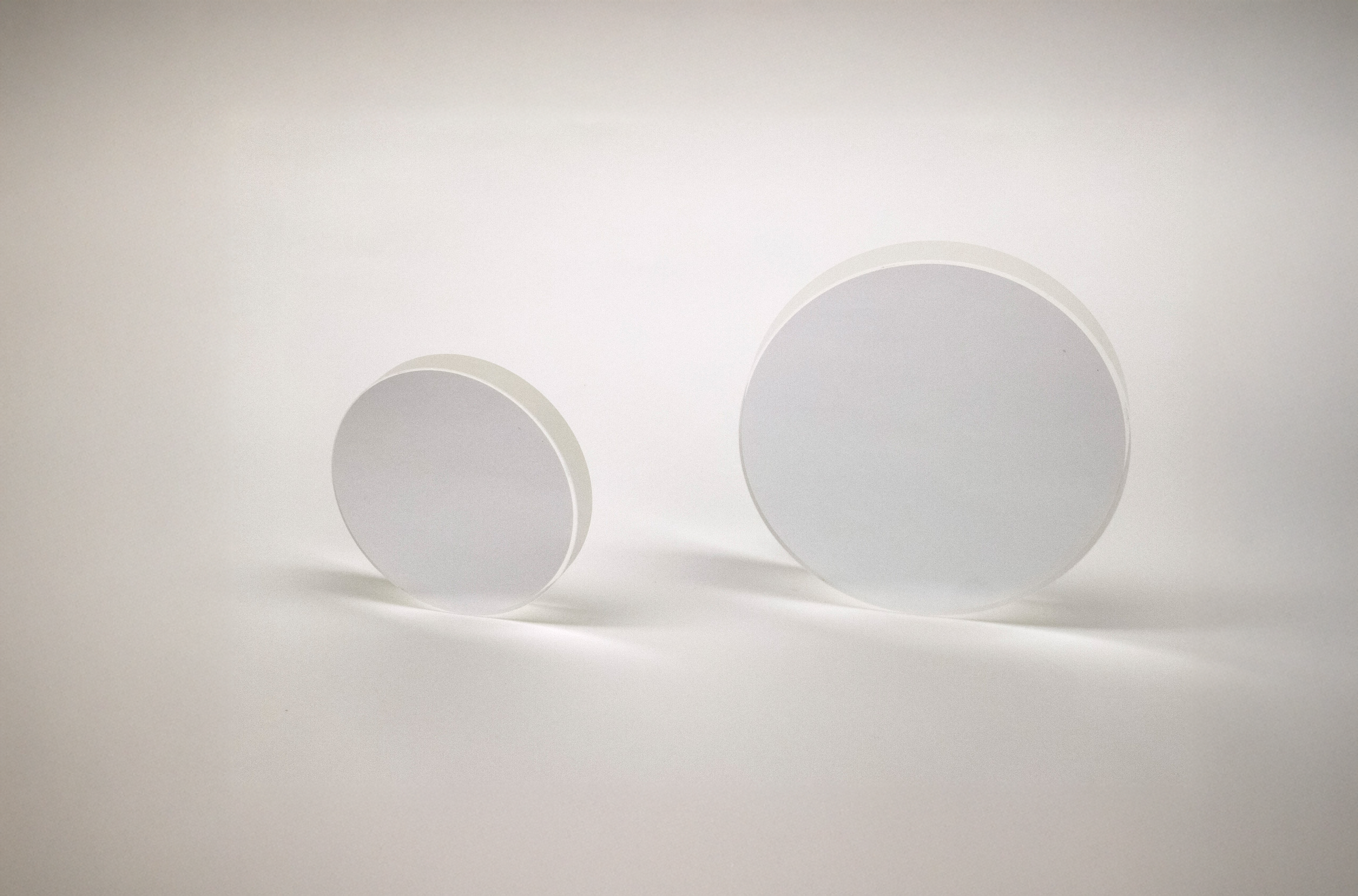
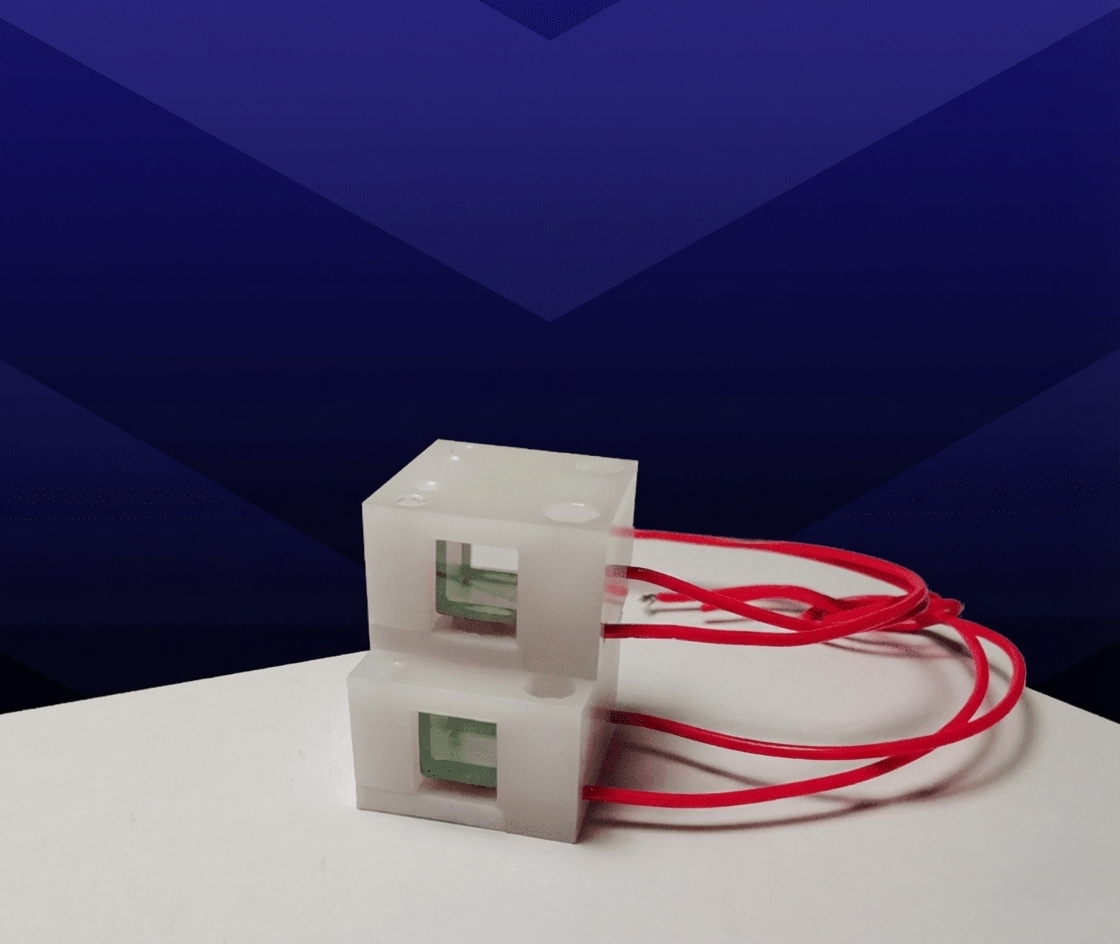
Moxtek’s infrared polarizers are high-performance wire-grid (Nanowire® technology) polarizing elements designed for the near-, mid- and long-wave infrared spectrum, delivering high contrast and high transmission even under demanding optical and thermal conditions.
IR
Suited for infra-red systems
WG
Wire-gird nanostructure technology

Moxtek’s IR polarizers leverage the company’s proprietary Nanowire® wire-grid technology to provide robust, high-performance polarization across a wide infrared wavelength range. Their key product families include:

  • BIR Series (Near-IR to Short-Wave IR, ~700 nm to ~2.5 µm) – optimized for either “High Contrast” or “High Transmission” versions.

  • SIR Series (Mid-Wave to Long-Wave IR, ~3-5 µm and ~8-12 µm) – built on silicon substrates with anti-reflective coatings, designed for 3-12 µm applications.
not sure what fits?

Let us help you

We love to solve this puzzle and find the right fit.
Heading for types of this product
Green Architecture
Evermind™ template is crafted like sustainable structures — clean, scalable, and built to last.
Precision Engineering
Every layout and component is tuned with variables and pixel-perfect details, so your brand stands on solid ground.
Dynamic Interactions
From nature-inspired transitions to fluid page structures, Evermind™ feels alive yet quietly sophisticated.
Green Architecture
Evermind™ template is crafted like sustainable structures — clean, scalable, and built to last.
Precision Engineering
Every layout and component is tuned with variables and pixel-perfect details, so your brand stands on solid ground.
Dynamic Interactions
From nature-inspired transitions to fluid page structures, Evermind™ feels alive yet quietly sophisticated.

Why use these polarizers?

  • Broadband IR performance: The SIR series is engineered for 3–12 µm operation, enabling thermal-imaging, spectroscopy, forensics, NVG, and security applications.

  • High contrast & transmission: For example, the SIR3-5 series exhibits transmission of >85% and contrast ratios greater than ~37 dB (5,000:1) in the 3–5 µm region.

  • Wide acceptance angle & uniformity: The polarizers maintain performance for ±20° angle of incidence without depolarisation, thanks to the nanowire structure.

  • High durability: Inorganic wire-grid polarizers on silicon or fused substrates offer high heat resistance and reliability in harsh environments.

  • Customization and scale: Moxtek supports custom sizes, transmission/contrast trade-offs, mounting options, and high-volume production.

Technical highlights

  • Substrate options: For SIR series, thin silicon substrates (~0.675 mm thick) with AR coatings.

  • Wavelength ranges: e.g., SIR3-5 (3–5 µm), SIR8-12 (8–12 µm); BIR series covers ~0.7–2.5 µm.

  • Design tolerance: Transmission axis tolerance ±2°, angle of incidence up to ±20° without depolarisation.

  • Thermal performance: For example, SIR parts rated at up to 200 °C for >5,000 hours.

  • Laser damage thresholds (LDT): For blocking/pass states in LWIR: e.g., SIR8-12 tested at ~100 kW/cm² (blocking) at 10.6 µm, though not guaranteed for high-power lasers.

Advantages

  • Compared to absorptive polarizers or polymer film polarizers, the Nanowire® IR polarizers offer higher damage thresholds, better contrast, wider angles of incidence, and higher durability in IR.

  • The wire-grid architecture on inorganic substrates enables extended wavelength coverage (up to LWIR) and supports high-temperature or harsh-environment applications.

  • Customisation: Moxtek allows choice of substrate, grid geometry (film thickness/Al thickness), mount styles, and trade-offs between high transmission vs. high contrast — this flexibility helps optimize for specific system performance.

  • High production volumes and proven manufacturing process: Moxtek highlights high-volume production capacity and long experience in nanostructured optical devices.

Suggested Applications

  • Thermal-imaging systems (3–5 µm, 8–12 µm)

  • Polarimetric IR sensors/cameras

  • Night-vision gear and aviation or defense optics

  • Spectroscopy and chemical detection in IR

  • Security, forensics, and astronomy where IR polarisation can provide contrast enhancement

Why use these polarizers?

  • Broadband IR performance: The SIR series is engineered for 3–12 µm operation, enabling thermal-imaging, spectroscopy, forensics, NVG, and security applications.

  • High contrast & transmission: For example, the SIR3-5 series exhibits transmission of >85% and contrast ratios greater than ~37 dB (5,000:1) in the 3–5 µm region.

  • Wide acceptance angle & uniformity: The polarizers maintain performance for ±20° angle of incidence without depolarisation, thanks to the nanowire structure.

  • High durability: Inorganic wire-grid polarizers on silicon or fused substrates offer high heat resistance and reliability in harsh environments.

  • Customization and scale: Moxtek supports custom sizes, transmission/contrast trade-offs, mounting options, and high-volume production.

Technical highlights

  • Substrate options: For SIR series, thin silicon substrates (~0.675 mm thick) with AR coatings.

  • Wavelength ranges: e.g., SIR3-5 (3–5 µm), SIR8-12 (8–12 µm); BIR series covers ~0.7–2.5 µm.

  • Design tolerance: Transmission axis tolerance ±2°, angle of incidence up to ±20° without depolarisation.

  • Thermal performance: For example, SIR parts rated at up to 200 °C for >5,000 hours.

  • Laser damage thresholds (LDT): For blocking/pass states in LWIR: e.g., SIR8-12 tested at ~100 kW/cm² (blocking) at 10.6 µm, though not guaranteed for high-power lasers.

Advantages

  • Compared to absorptive polarizers or polymer film polarizers, the Nanowire® IR polarizers offer higher damage thresholds, better contrast, wider angles of incidence, and higher durability in IR.

  • The wire-grid architecture on inorganic substrates enables extended wavelength coverage (up to LWIR) and supports high-temperature or harsh-environment applications.

  • Customisation: Moxtek allows choice of substrate, grid geometry (film thickness/Al thickness), mount styles, and trade-offs between high transmission vs. high contrast — this flexibility helps optimize for specific system performance.

  • High production volumes and proven manufacturing process: Moxtek highlights high-volume production capacity and long experience in nanostructured optical devices.

Suggested Applications

  • Thermal-imaging systems (3–5 µm, 8–12 µm)

  • Polarimetric IR sensors/cameras

  • Night-vision gear and aviation or defense optics

  • Spectroscopy and chemical detection in IR

  • Security, forensics, and astronomy where IR polarisation can provide contrast enhancement

Why use these polarizers?

  • Broadband IR performance: The SIR series is engineered for 3–12 µm operation, enabling thermal-imaging, spectroscopy, forensics, NVG, and security applications.

  • High contrast & transmission: For example, the SIR3-5 series exhibits transmission of >85% and contrast ratios greater than ~37 dB (5,000:1) in the 3–5 µm region.

  • Wide acceptance angle & uniformity: The polarizers maintain performance for ±20° angle of incidence without depolarisation, thanks to the nanowire structure.

  • High durability: Inorganic wire-grid polarizers on silicon or fused substrates offer high heat resistance and reliability in harsh environments.

  • Customization and scale: Moxtek supports custom sizes, transmission/contrast trade-offs, mounting options, and high-volume production.

Technical highlights

  • Substrate options: For SIR series, thin silicon substrates (~0.675 mm thick) with AR coatings.

  • Wavelength ranges: e.g., SIR3-5 (3–5 µm), SIR8-12 (8–12 µm); BIR series covers ~0.7–2.5 µm.

  • Design tolerance: Transmission axis tolerance ±2°, angle of incidence up to ±20° without depolarisation.

  • Thermal performance: For example, SIR parts rated at up to 200 °C for >5,000 hours.

  • Laser damage thresholds (LDT): For blocking/pass states in LWIR: e.g., SIR8-12 tested at ~100 kW/cm² (blocking) at 10.6 µm, though not guaranteed for high-power lasers.

Advantages

  • Compared to absorptive polarizers or polymer film polarizers, the Nanowire® IR polarizers offer higher damage thresholds, better contrast, wider angles of incidence, and higher durability in IR.

  • The wire-grid architecture on inorganic substrates enables extended wavelength coverage (up to LWIR) and supports high-temperature or harsh-environment applications.

  • Customisation: Moxtek allows choice of substrate, grid geometry (film thickness/Al thickness), mount styles, and trade-offs between high transmission vs. high contrast — this flexibility helps optimize for specific system performance.

  • High production volumes and proven manufacturing process: Moxtek highlights high-volume production capacity and long experience in nanostructured optical devices.

Suggested Applications

  • Thermal-imaging systems (3–5 µm, 8–12 µm)

  • Polarimetric IR sensors/cameras

  • Night-vision gear and aviation or defense optics

  • Spectroscopy and chemical detection in IR

  • Security, forensics, and astronomy where IR polarisation can provide contrast enhancement

Foundry Services

Moxtek collaborates with customers to design, verify, and create solutions for high-volume manufacturing. They provide options for prompt design iterations and NanoImprint Lithography (NIL) optimization. Moxtek uses Statistical Process Control (SPC) monitoring of post-print Critical Dimension (CD) repeatability.

Moxtek offers prototyping samples through their recurring Design Master Shuttle. This NIL Design Master Shuttle includes space for multiple (different) design structures, allowing engineers to test several designs on a single shuttle iteration, thereby reducing development time and cost. They can add a customer’s unique design to their next Design Master Shuttle for prototyping the latest lens or nanostructure optical device. These design shuttles are processed multiple times each year.

Moxtek has been producing nanostructured optical components for over 20 years. They offer high-volume wafer replication of nanostructure devices on Ø200 mm wafers. Their versatile capabilities are used to manufacture functional metasurfaces, including metalenses, meta-optical elements (MOE), diffractive optical elements (DOE), patterned nanostructures, waveguides, photonic crystals, and biosensor arrays. These devices are used in imaging, illumination, and display systems for a wide range of applications, including automotive, medical and dental imaging, camera systems, and many others.

Foundry Services

Moxtek collaborates with customers to design, verify, and create solutions for high-volume manufacturing. They provide options for prompt design iterations and NanoImprint Lithography (NIL) optimization. Moxtek uses Statistical Process Control (SPC) monitoring of post-print Critical Dimension (CD) repeatability.

Moxtek offers prototyping samples through their recurring Design Master Shuttle. This NIL Design Master Shuttle includes space for multiple (different) design structures, allowing engineers to test several designs on a single shuttle iteration, thereby reducing development time and cost. They can add a customer’s unique design to their next Design Master Shuttle for prototyping the latest lens or nanostructure optical device. These design shuttles are processed multiple times each year.

Moxtek has been producing nanostructured optical components for over 20 years. They offer high-volume wafer replication of nanostructure devices on Ø200 mm wafers. Their versatile capabilities are used to manufacture functional metasurfaces, including metalenses, meta-optical elements (MOE), diffractive optical elements (DOE), patterned nanostructures, waveguides, photonic crystals, and biosensor arrays. These devices are used in imaging, illumination, and display systems for a wide range of applications, including automotive, medical and dental imaging, camera systems, and many others.

Foundry Services

Moxtek collaborates with customers to design, verify, and create solutions for high-volume manufacturing. They provide options for prompt design iterations and NanoImprint Lithography (NIL) optimization. Moxtek uses Statistical Process Control (SPC) monitoring of post-print Critical Dimension (CD) repeatability.

Moxtek offers prototyping samples through their recurring Design Master Shuttle. This NIL Design Master Shuttle includes space for multiple (different) design structures, allowing engineers to test several designs on a single shuttle iteration, thereby reducing development time and cost. They can add a customer’s unique design to their next Design Master Shuttle for prototyping the latest lens or nanostructure optical device. These design shuttles are processed multiple times each year.

Moxtek has been producing nanostructured optical components for over 20 years. They offer high-volume wafer replication of nanostructure devices on Ø200 mm wafers. Their versatile capabilities are used to manufacture functional metasurfaces, including metalenses, meta-optical elements (MOE), diffractive optical elements (DOE), patterned nanostructures, waveguides, photonic crystals, and biosensor arrays. These devices are used in imaging, illumination, and display systems for a wide range of applications, including automotive, medical and dental imaging, camera systems, and many others.

Download Datasheet

Benefits

Moxtek wire grid polarizers provide exceptional optical performance across a wide range of conditions.

  • Uniform Transmission & Reflection
  • High Transmission, High Contrast
  • Wavelength Independent
  • Wide Angle of Incidence
  • High Temperature Durability

Benefits

Moxtek wire grid polarizers provide exceptional optical performance across a wide range of conditions.

  • Uniform Transmission & Reflection
  • High Transmission, High Contrast
  • Wavelength Independent
  • Wide Angle of Incidence
  • High Temperature Durability

Benefits

Moxtek wire grid polarizers provide exceptional optical performance across a wide range of conditions.

  • Uniform Transmission & Reflection
  • High Transmission, High Contrast
  • Wavelength Independent
  • Wide Angle of Incidence
  • High Temperature Durability

Contact Us for Free Consultation
Related products
Related News For this Product
No items found.
ready to start?
Stuck with a spec sheet that reads like sci-fi? Need a component that probably doesn't exist yet? Let's make it happen. Together.
FAQ

Questions, answered with clarity.

We’ve collected the questions we get all the time, and actually answered them. No mystery, no marketing poetry - just facts. Still have an open question? We're here to help:
Contact Us
Advanced Nanostructured Optics and Polarization Solutions
What wavelength ranges do the IR polarizers cover?

Moxtek offers the BIR Series (near-IR to short-wave IR, ~700 nm to 2.5 µm) and the SIR Series (mid- to long-wave IR, ~3-5 µm and ~8-12 µm) on AR-coated silicon substrates.

What about angle of incidence (AOI) performance and environmental/temperature durability?

The products are designed to maintain performance for ±20° AOI without significant performance loss. They are also designed for high-temperature applications – e.g., SIR Series specified >200 °C for >5,000 hours

How should they be handled or cleaned?

Because the wire-grid structure is delicate, the handling must be careful: e.g., avoid touching the wire-grid surface, cleaning must follow specified procedures.

Are there any laser damage / high-power laser considerations?

Specific LIDT results can be provided on request.

Can the IR polarizers be used a PBS (Polarizing Beam Splitters)?

Altough not specified, Moxtek IR polarizers perorms very well at 45 degrees angle of incidance, and can be used as a PBS.

New Products
Facing a Challenge? Let’s Solve It Together