Polarizers

Pixelated Polarizers

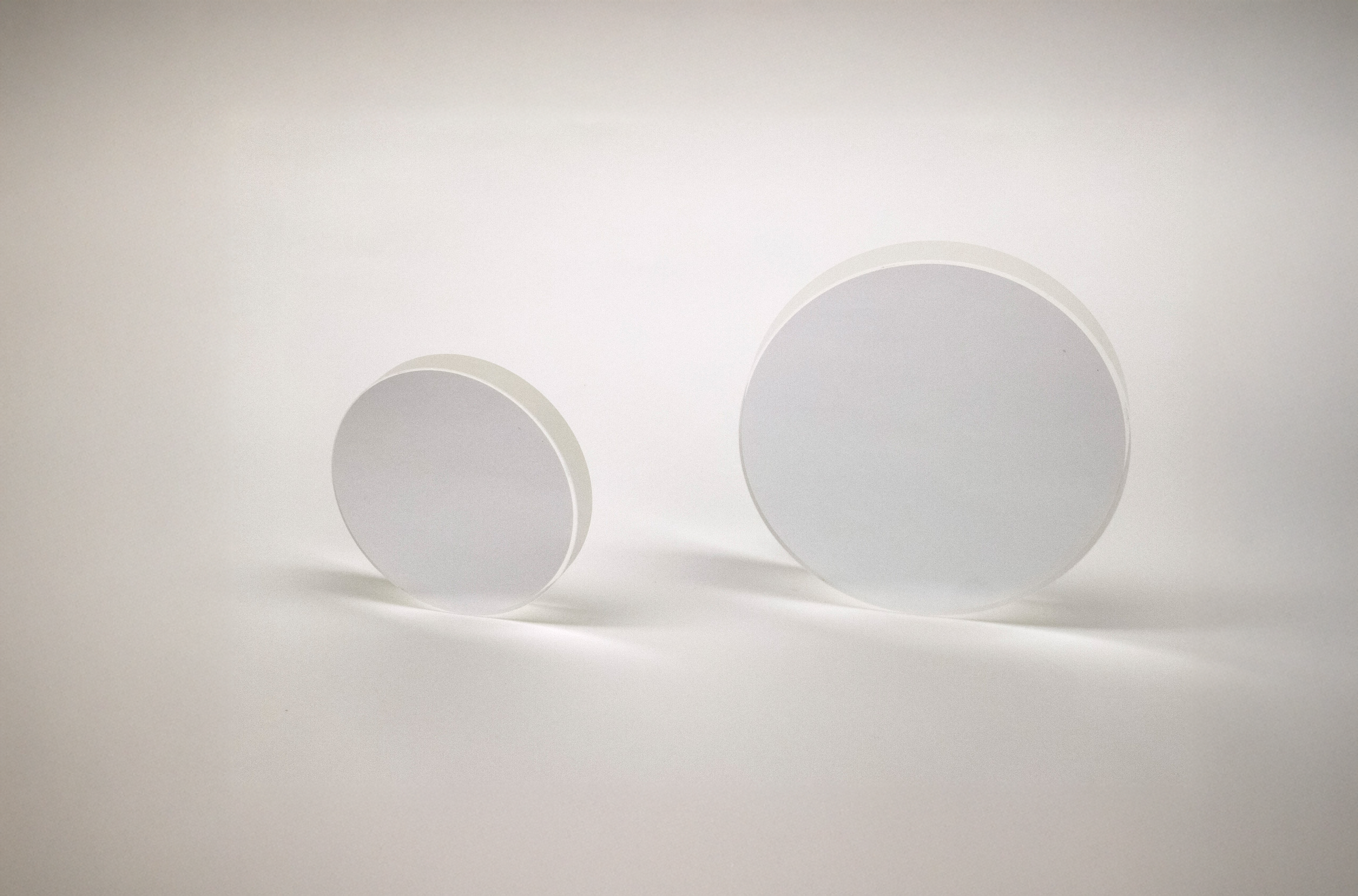
Moxtek’s Pixelated Polarizers are high-precision wire-grid polarizer arrays that integrate multiple polarization states into a single sensor-aligned element, enabling real-time polarimetric imaging for visible and IR wavelengths.
PIX
Pixelated Polarizers
X4
4 polarization states on a single glass subsrate

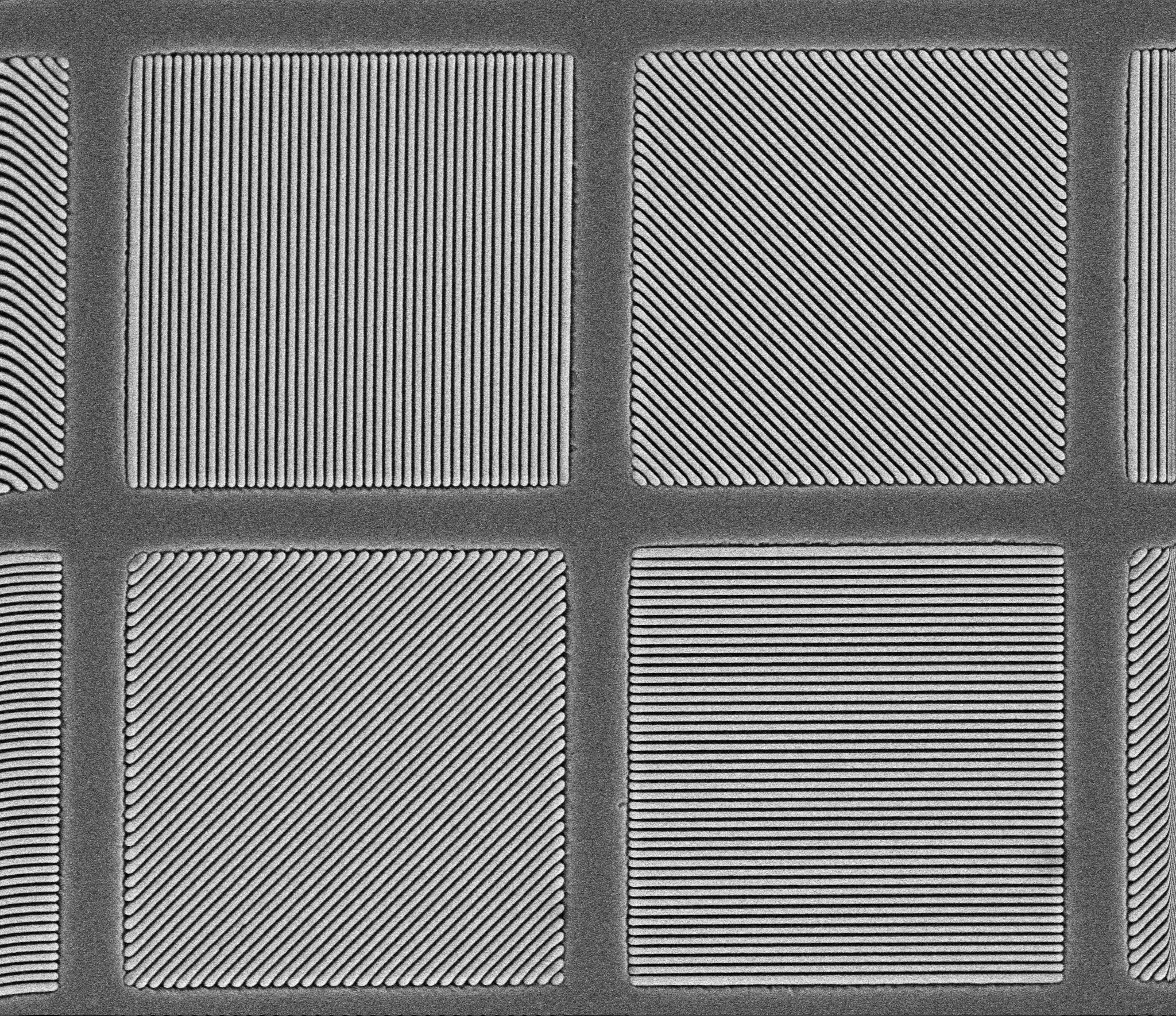
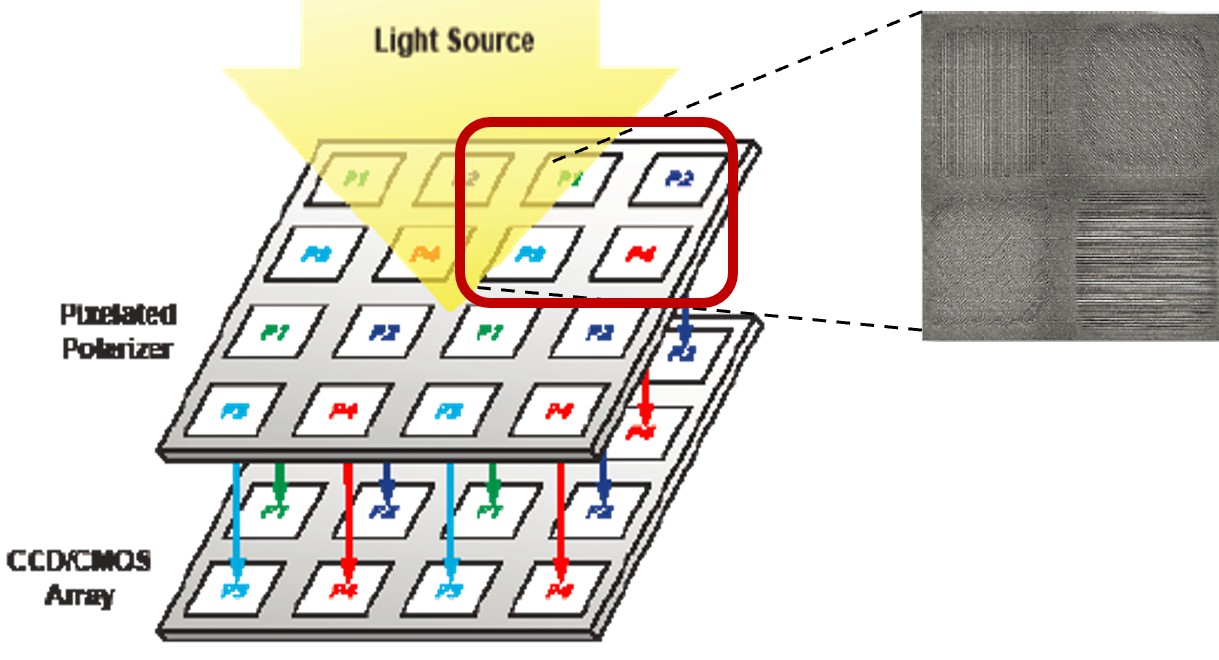
The Moxtek Pixelated Polarizer leverages Moxtek’s Nanowire® wire-grid technology to embed an array of micro-patterned polarizing elements into a single optical component. Rather than rotating a mechanical polarizer or switching multiple filters, this device places two-, three- or four-state polarization states directly across a single imaging array (e.g., a CCD/CMOS sensor).

not sure what fits?

Let us help you

We love to solve this puzzle and find the right fit.
Heading for types of this product
Green Architecture
Evermind™ template is crafted like sustainable structures — clean, scalable, and built to last.
Precision Engineering
Every layout and component is tuned with variables and pixel-perfect details, so your brand stands on solid ground.
Dynamic Interactions
From nature-inspired transitions to fluid page structures, Evermind™ feels alive yet quietly sophisticated.
Green Architecture
Evermind™ template is crafted like sustainable structures — clean, scalable, and built to last.
Precision Engineering
Every layout and component is tuned with variables and pixel-perfect details, so your brand stands on solid ground.
Dynamic Interactions
From nature-inspired transitions to fluid page structures, Evermind™ feels alive yet quietly sophisticated.

Principle of pixelated polarizer on a sensor array

Why use a pixelated polarizer?

  • Real-time polarimetry: Traditional polarimetric imaging often requires taking multiple images at different polarizer angles (or uses multiple cameras) and then aligning/overlaying them. With Moxtek’s pixelated array, all polarization states are captured simultaneously, enabling much faster acquisition and avoiding registration errors.
  • Higher contrast & richer image information: Polarization provides additional image contrast beyond intensity or color alone—helping highlight surface features (shape, texture, roughness), material differences, and features obscured by low light or glare.
  • Broad spectral & angular performance: These polarizers support visible through infrared wavelengths, and maintain performance (e.g., without depolarization) for ±20° angle of incidence.
  • Customisable geometry for sensor integration: Pixel pitch, number of polarization states (2/3/4), substrate materials, and mounting options can all be tailored to match specific camera sensor arrays and form factors.
  • Robust inorganic construction: Using inorganic (wire-grid) technology improves thermal stability, durability (versus organic film or polymer polarizers), and enables use in demanding environments (e.g., high photon flux, IR imaging) where other polarizers might fail.

Typical applications

  • Imaging polarimetry and polarization difference imaging
  • 3D imaging and depth sensing (via polarization-enhanced cues)
  • Machine vision and industrial inspection in challenging light/contrast conditions
  • Biometric facial recognition (where polarization can highlight surface features)
  • Remote sensing, surveillance, target discrimination
  • Interferometry and polarization-based measurement systems
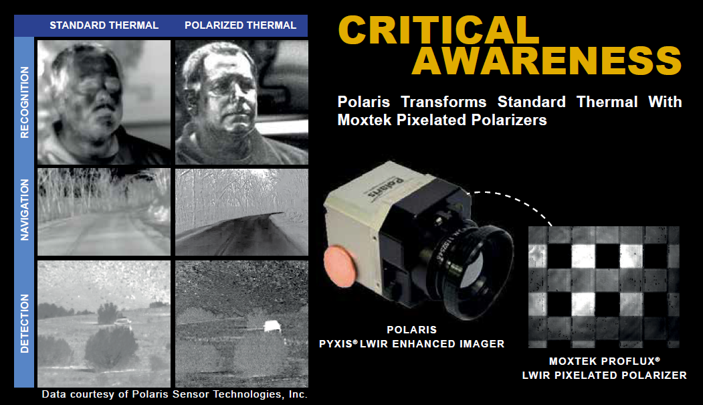
Infra-red pixelated polarizer in action

Key specification highlights

  • Pixel pitch: standard options from ~5.5 µm up to ~30 µm, with custom sizes available.
  • Transmission: > 80% at 632 nm (at pixel centre) typical for visible versions.
  • Contrast ratio: > 200:1 at 632 nm at pixel centre typical.
  • Wavelength range: visible (400-700 nm) standard; IR options (e.g., 3-5 µm, 8-12 µm) available on request.
  • Thermal endurance: substrates rated up to about 200 °C (for visible-coated versions) for >5,000 hours in many cases.

Principle of pixelated polarizer on a sensor array

Why use a pixelated polarizer?

  • Real-time polarimetry: Traditional polarimetric imaging often requires taking multiple images at different polarizer angles (or uses multiple cameras) and then aligning/overlaying them. With Moxtek’s pixelated array, all polarization states are captured simultaneously, enabling much faster acquisition and avoiding registration errors.
  • Higher contrast & richer image information: Polarization provides additional image contrast beyond intensity or color alone—helping highlight surface features (shape, texture, roughness), material differences, and features obscured by low light or glare.
  • Broad spectral & angular performance: These polarizers support visible through infrared wavelengths, and maintain performance (e.g., without depolarization) for ±20° angle of incidence.
  • Customisable geometry for sensor integration: Pixel pitch, number of polarization states (2/3/4), substrate materials, and mounting options can all be tailored to match specific camera sensor arrays and form factors.
  • Robust inorganic construction: Using inorganic (wire-grid) technology improves thermal stability, durability (versus organic film or polymer polarizers), and enables use in demanding environments (e.g., high photon flux, IR imaging) where other polarizers might fail.

Typical applications

  • Imaging polarimetry and polarization difference imaging
  • 3D imaging and depth sensing (via polarization-enhanced cues)
  • Machine vision and industrial inspection in challenging light/contrast conditions
  • Biometric facial recognition (where polarization can highlight surface features)
  • Remote sensing, surveillance, target discrimination
  • Interferometry and polarization-based measurement systems
Infra-red pixelated polarizer in action

Key specification highlights

  • Pixel pitch: standard options from ~5.5 µm up to ~30 µm, with custom sizes available.
  • Transmission: > 80% at 632 nm (at pixel centre) typical for visible versions.
  • Contrast ratio: > 200:1 at 632 nm at pixel centre typical.
  • Wavelength range: visible (400-700 nm) standard; IR options (e.g., 3-5 µm, 8-12 µm) available on request.
  • Thermal endurance: substrates rated up to about 200 °C (for visible-coated versions) for >5,000 hours in many cases.

Principle of pixelated polarizer on a sensor array

Why use a pixelated polarizer?

  • Real-time polarimetry: Traditional polarimetric imaging often requires taking multiple images at different polarizer angles (or uses multiple cameras) and then aligning/overlaying them. With Moxtek’s pixelated array, all polarization states are captured simultaneously, enabling much faster acquisition and avoiding registration errors.
  • Higher contrast & richer image information: Polarization provides additional image contrast beyond intensity or color alone—helping highlight surface features (shape, texture, roughness), material differences, and features obscured by low light or glare.
  • Broad spectral & angular performance: These polarizers support visible through infrared wavelengths, and maintain performance (e.g., without depolarization) for ±20° angle of incidence.
  • Customisable geometry for sensor integration: Pixel pitch, number of polarization states (2/3/4), substrate materials, and mounting options can all be tailored to match specific camera sensor arrays and form factors.
  • Robust inorganic construction: Using inorganic (wire-grid) technology improves thermal stability, durability (versus organic film or polymer polarizers), and enables use in demanding environments (e.g., high photon flux, IR imaging) where other polarizers might fail.

Typical applications

  • Imaging polarimetry and polarization difference imaging
  • 3D imaging and depth sensing (via polarization-enhanced cues)
  • Machine vision and industrial inspection in challenging light/contrast conditions
  • Biometric facial recognition (where polarization can highlight surface features)
  • Remote sensing, surveillance, target discrimination
  • Interferometry and polarization-based measurement systems
Infra-red pixelated polarizer in action

Key specification highlights

  • Pixel pitch: standard options from ~5.5 µm up to ~30 µm, with custom sizes available.
  • Transmission: > 80% at 632 nm (at pixel centre) typical for visible versions.
  • Contrast ratio: > 200:1 at 632 nm at pixel centre typical.
  • Wavelength range: visible (400-700 nm) standard; IR options (e.g., 3-5 µm, 8-12 µm) available on request.
  • Thermal endurance: substrates rated up to about 200 °C (for visible-coated versions) for >5,000 hours in many cases.

Foundry Services

Moxtek collaborates with customers to design, verify, and create solutions for high-volume manufacturing. They provide options for prompt design iterations and NanoImprint Lithography (NIL) optimization. Moxtek uses Statistical Process Control (SPC) monitoring of post-print Critical Dimension (CD) repeatability.

Moxtek offers prototyping samples through their recurring Design Master Shuttle. This NIL Design Master Shuttle includes space for multiple (different) design structures, allowing engineers to test several designs on a single shuttle iteration, thereby reducing development time and cost. They can add a customer’s unique design to their next Design Master Shuttle for prototyping the latest lens or nanostructure optical device. These design shuttles are processed multiple times each year.

Moxtek has been producing nanostructured optical components for over 20 years. They offer high-volume wafer replication of nanostructure devices on Ø200 mm wafers. Their versatile capabilities are used to manufacture functional metasurfaces, including metalenses, meta-optical elements (MOE), diffractive optical elements (DOE), patterned nanostructures, waveguides, photonic crystals, and biosensor arrays. These devices are used in imaging, illumination, and display systems for a wide range of applications, including automotive, medical and dental imaging, camera systems, and many others.

Foundry Services

Moxtek collaborates with customers to design, verify, and create solutions for high-volume manufacturing. They provide options for prompt design iterations and NanoImprint Lithography (NIL) optimization. Moxtek uses Statistical Process Control (SPC) monitoring of post-print Critical Dimension (CD) repeatability.

Moxtek offers prototyping samples through their recurring Design Master Shuttle. This NIL Design Master Shuttle includes space for multiple (different) design structures, allowing engineers to test several designs on a single shuttle iteration, thereby reducing development time and cost. They can add a customer’s unique design to their next Design Master Shuttle for prototyping the latest lens or nanostructure optical device. These design shuttles are processed multiple times each year.

Moxtek has been producing nanostructured optical components for over 20 years. They offer high-volume wafer replication of nanostructure devices on Ø200 mm wafers. Their versatile capabilities are used to manufacture functional metasurfaces, including metalenses, meta-optical elements (MOE), diffractive optical elements (DOE), patterned nanostructures, waveguides, photonic crystals, and biosensor arrays. These devices are used in imaging, illumination, and display systems for a wide range of applications, including automotive, medical and dental imaging, camera systems, and many others.

Foundry Services

Moxtek collaborates with customers to design, verify, and create solutions for high-volume manufacturing. They provide options for prompt design iterations and NanoImprint Lithography (NIL) optimization. Moxtek uses Statistical Process Control (SPC) monitoring of post-print Critical Dimension (CD) repeatability.

Moxtek offers prototyping samples through their recurring Design Master Shuttle. This NIL Design Master Shuttle includes space for multiple (different) design structures, allowing engineers to test several designs on a single shuttle iteration, thereby reducing development time and cost. They can add a customer’s unique design to their next Design Master Shuttle for prototyping the latest lens or nanostructure optical device. These design shuttles are processed multiple times each year.

Moxtek has been producing nanostructured optical components for over 20 years. They offer high-volume wafer replication of nanostructure devices on Ø200 mm wafers. Their versatile capabilities are used to manufacture functional metasurfaces, including metalenses, meta-optical elements (MOE), diffractive optical elements (DOE), patterned nanostructures, waveguides, photonic crystals, and biosensor arrays. These devices are used in imaging, illumination, and display systems for a wide range of applications, including automotive, medical and dental imaging, camera systems, and many others.

Download Datasheet

Benefits

Moxtek wire grid polarizers provide exceptional optical performance across a wide range of conditions.

  • Uniform Transmission & Reflection
  • High Transmission, High Contrast
  • Wavelength Independent
  • Wide Angle of Incidence
  • High Temperature Durability

Benefits

Moxtek wire grid polarizers provide exceptional optical performance across a wide range of conditions.

  • Uniform Transmission & Reflection
  • High Transmission, High Contrast
  • Wavelength Independent
  • Wide Angle of Incidence
  • High Temperature Durability

Benefits

Moxtek wire grid polarizers provide exceptional optical performance across a wide range of conditions.

  • Uniform Transmission & Reflection
  • High Transmission, High Contrast
  • Wavelength Independent
  • Wide Angle of Incidence
  • High Temperature Durability

Contact Us for Free Consultation
Related products
Related News For this Product
No items found.
ready to start?
Stuck with a spec sheet that reads like sci-fi? Need a component that probably doesn't exist yet? Let's make it happen. Together.
FAQ

Questions, answered with clarity.

We’ve collected the questions we get all the time, and actually answered them. No mystery, no marketing poetry - just facts. Still have an open question? We're here to help:
Contact Us
Advanced Nanostructured Optics and Polarization Solutions
What is a pixelated polarizer and how is it different from a conventional polarizer?

A pixelated polarizer incorporates multiple polarization-states within a single substrate by using an array of micro-patterned Nanowire® grids. This enables imaging systems (e.g., CCD/CMOS arrays) to capture polarization information in one shot rather than requiring multiple polarizers or cameras.

What handling, cleaning or mounting precautions should I be aware of?

Because the device uses delicate Nanowire® structures, proper handling is crucial. For example: Avoid touching or wiping the wire-grid surface unless following recommended cleaning procedures.

Can you customize the pixel geometry, polarization states or substrate?

Yes. Moxtek offers user-defined geometries (pixel size, pixel pitch, layout), different numbers of polarization states, and substrate choices depending on sensor interface.

Can I design multiple states polarizer in a non-pixel formation?

Yes. Moxtek has the ability to pattern any size or dimension of wire-grid polarizers on a single substrate?

Can I have more than 4 polarization states on one substrate?

Yes. Moxtek can use their NIL (nano-imprint lithography) process to create as many polarizations states as required.

Can you mount the pixelated polarizer on my sensor?

As of now, this service is not available. We can reccomend a few partners who can do this. Please contact us.

New Products
Facing a Challenge? Let’s Solve It Together