
.svg)
.svg)


Key Features:
- Large clear apertures (40 mm)
- Suitable for imaging applications
- Symmetric nanosecond switching times
- Ideal for Imaging Polarimetry
- Excellent high-speed shutter
- Many LIDAR applications
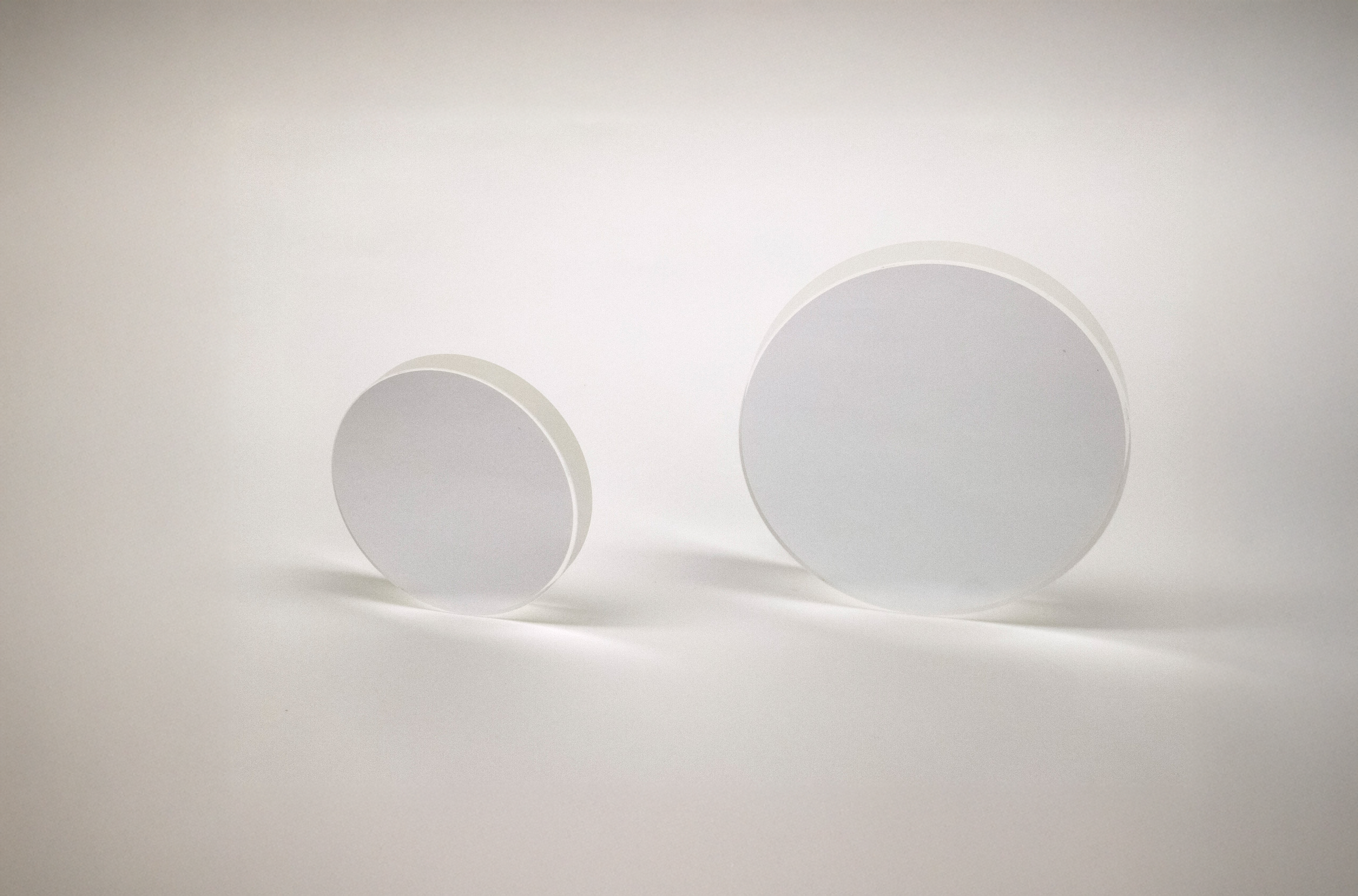
A Pockels cell is an optical device capable of altering the polarization of light as an electric field is applied. By applying a variable electric voltage, the crystal’s phase delay (known as the Pockels effect) can be modulated. This effect was initially identified in the 19th century. Over time, it has evolved into a pivotal technology for various contemporary photonic applications, including ultra-fast lasers and precise light modulators.
These cells use electrically induced birefringence to swiftly, accurately, and consistently control powerful laser beams. The ability to generate short, high-power pulses is crucial in Q-switched lasers, with significant applications in:
- LiDAR (Light Detection And Ranging): used in commercial and military contexts as an optical radar.
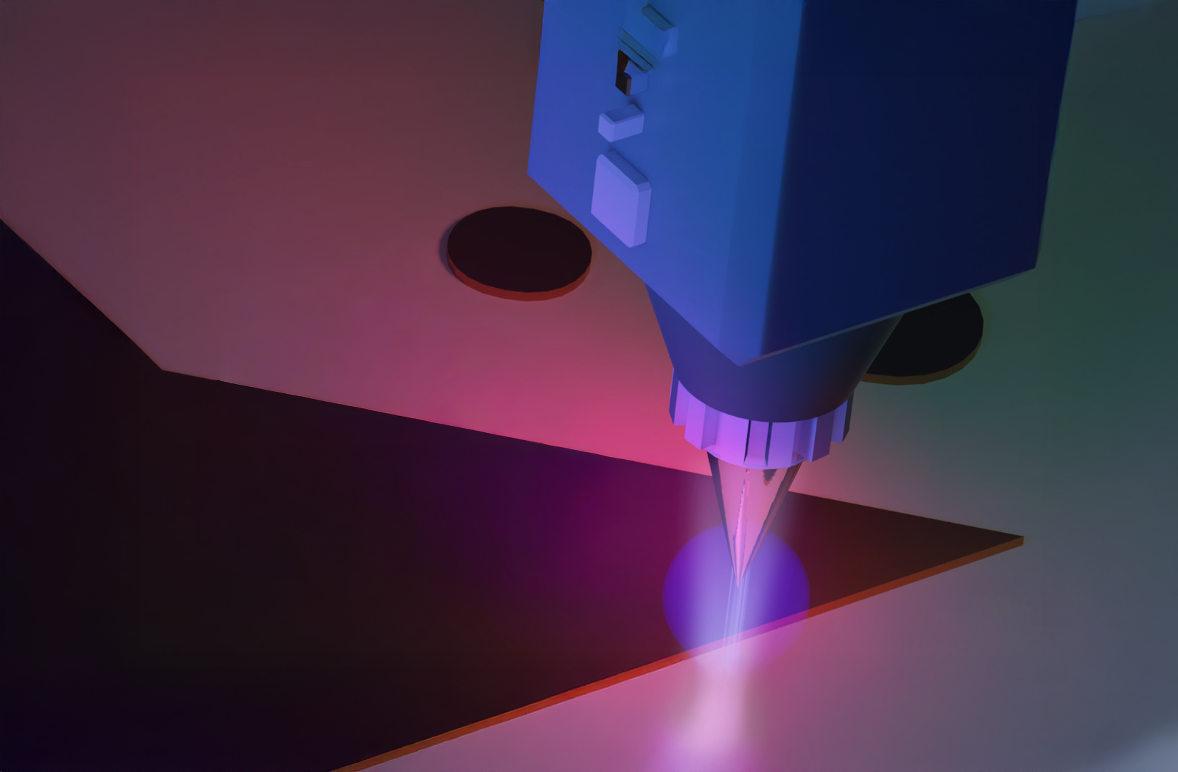
- Laser metal processing: assisting cutting, welding, and drilling.
- Dermatology: offering less pain and faster recovery in the removal of spots or tattoos.





.jpg)


.png)