.svg)
.svg)
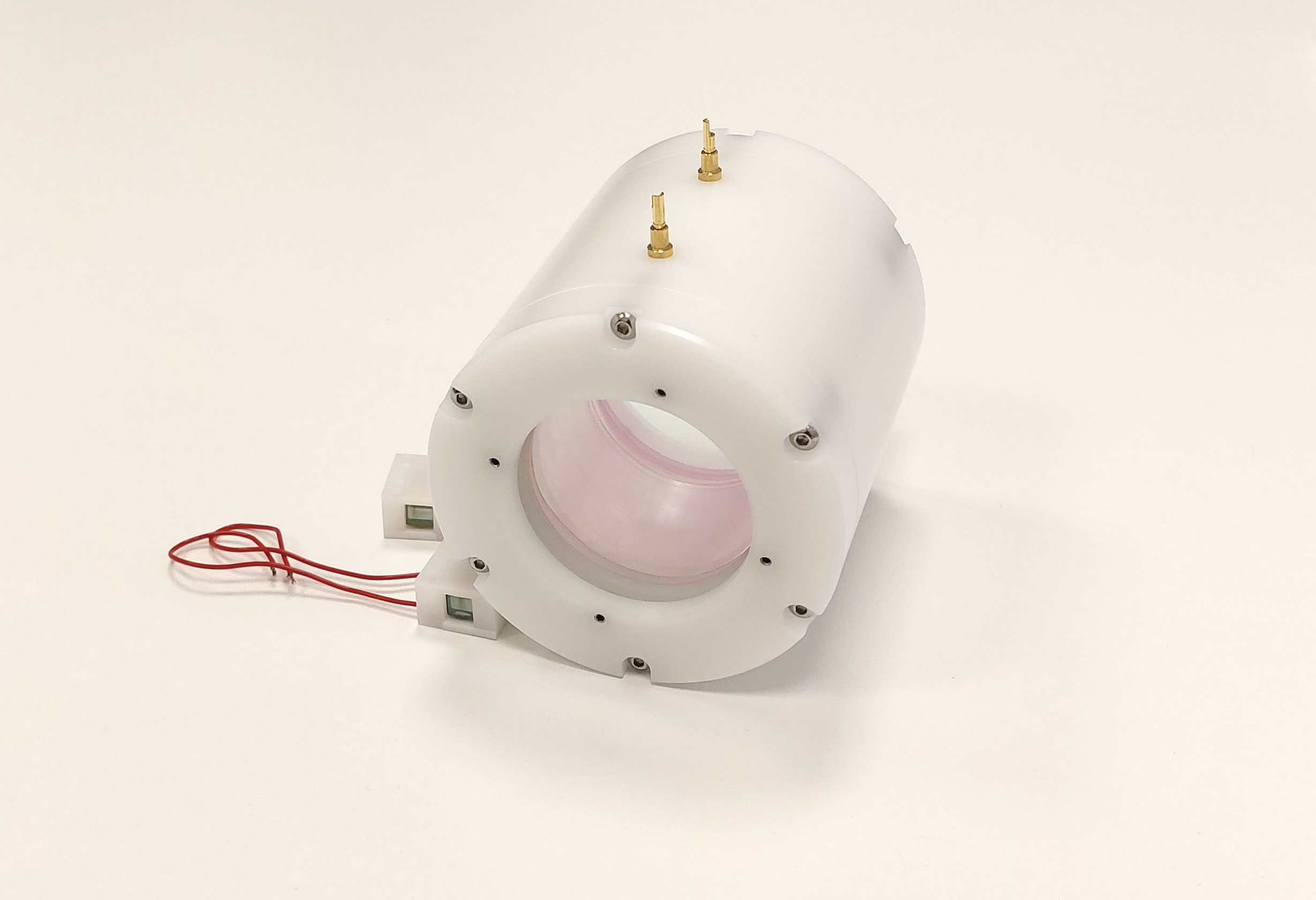

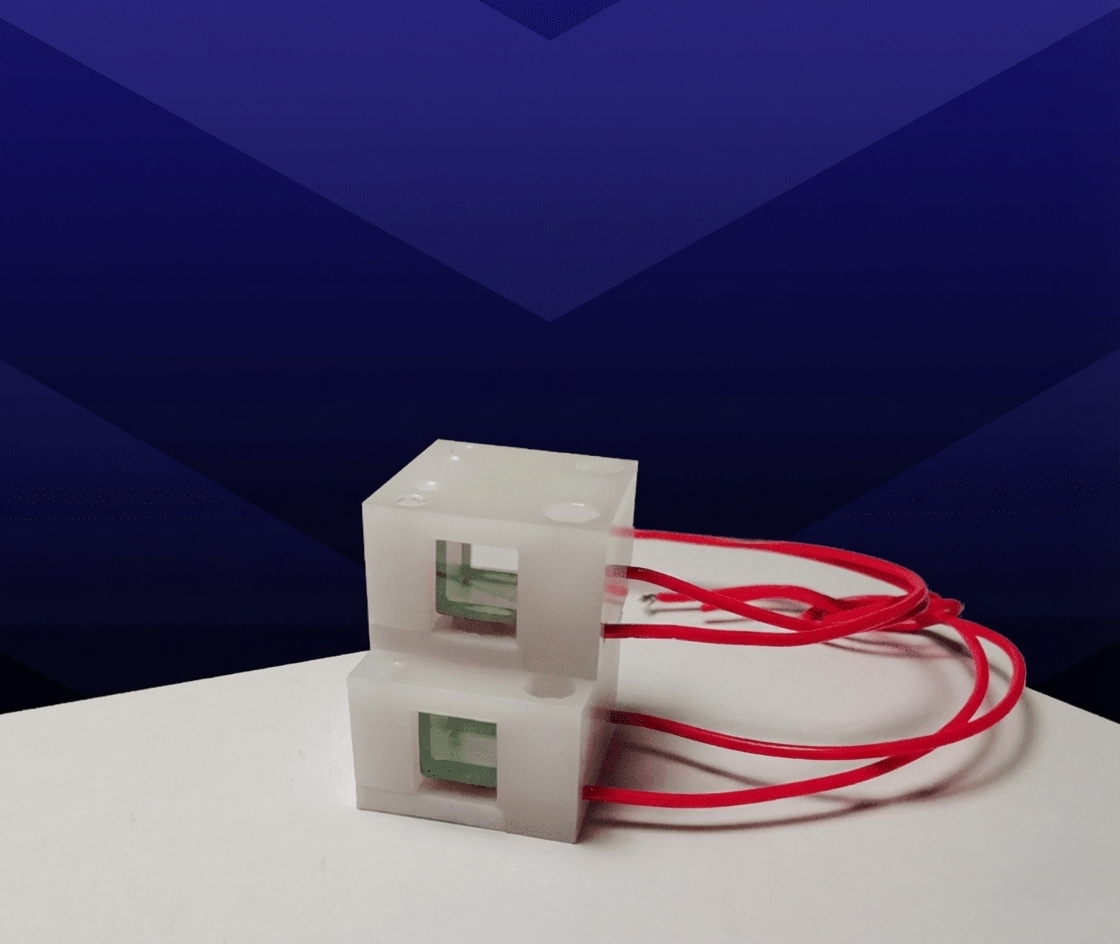
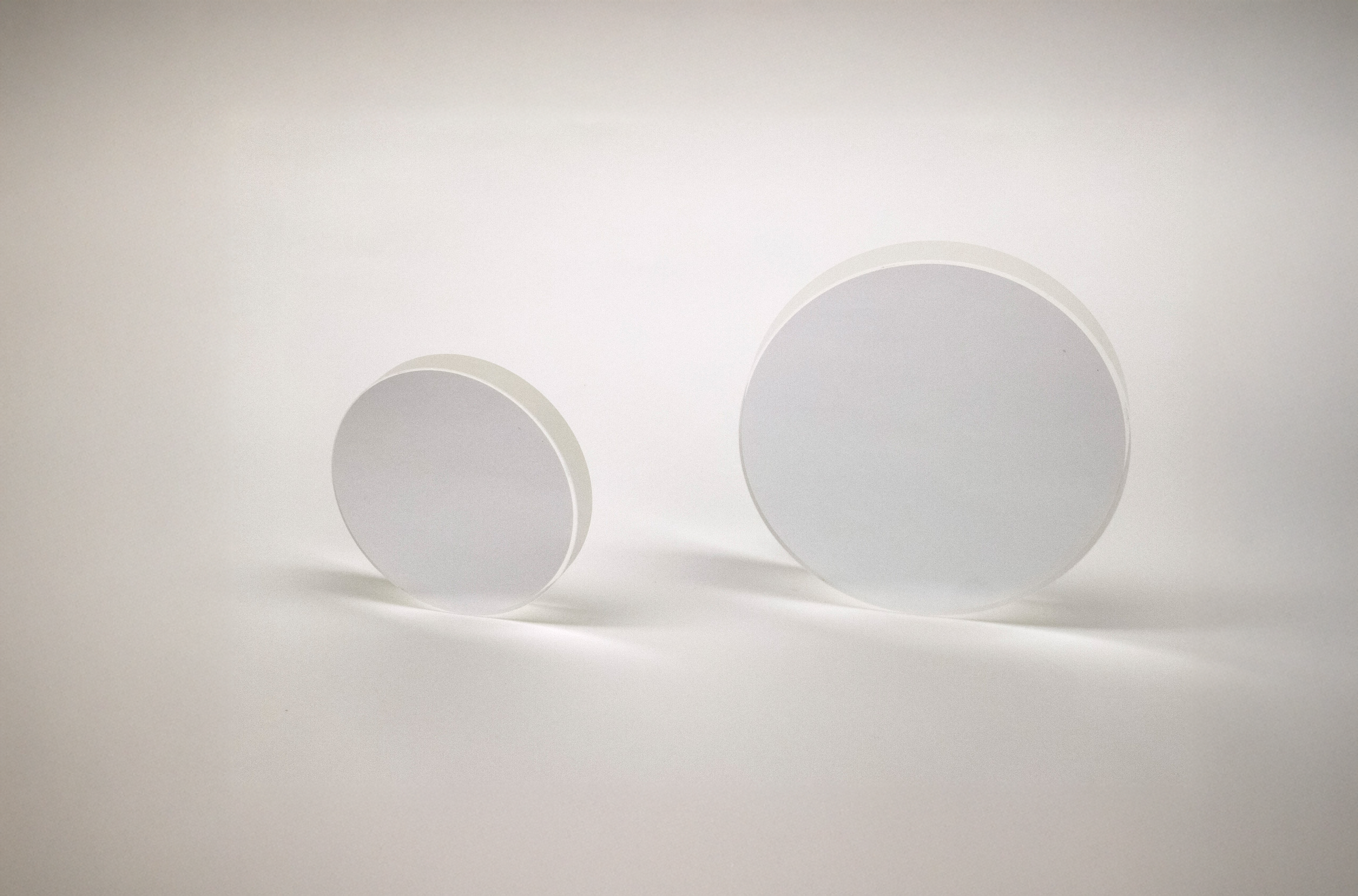
3Photon’s DKDP (Deuterated Potassium Dihydrogen Phosphate) Pockels cells are engineered for demanding laser applications where high optical damage threshold, large aperture capability, and excellent electro-optic performance are critical. Leveraging the intrinsic advantages of DKDP crystals, these Pockels cells provide reliable, repeatable polarization switching and modulation, even in extreme operating conditions.
DKDP is widely regarded as the material of choice for high-energy pulsed lasers, thanks to its low absorption at common laser wavelengths and its ability to scale to large crystal apertures. 3Photon combines high-quality DKDP crystal growth with precision optical fabrication and robust mechanical design, resulting in devices optimized for both laboratory and industrial laser platforms.
Key advantages of 3Photon DKDP Pockels cells include:
- High laser damage threshold
Ideal for Q-switching and pulse picking in high-energy and high-peak-power laser systems. - Large clear aperture options
Supports high-energy beam diameters without compromising beam quality. - Fast electro-optic response
Enables nanosecond-scale switching for precise temporal control of laser pulses. - Broad wavelength compatibility
Suitable for many solid-state laser sources, including Nd:YAG and related harmonics. - Stable and reliable operation
Designed for long-term use in research, defense, industrial, and scientific laser installations.
These Pockels cells are commonly used in Q-switches, regenerative amplifiers, pulse slicers, and optical isolator systems, where accurate polarization control directly impacts laser efficiency and system stability. Compared to alternative electro-optic materials, DKDP offers a unique balance of scalability, optical robustness, and cost-effectiveness for high-energy applications.




.jpg)


.png)