.svg)
.svg)
.png)

Why and how to use a microfluidic bubble trap
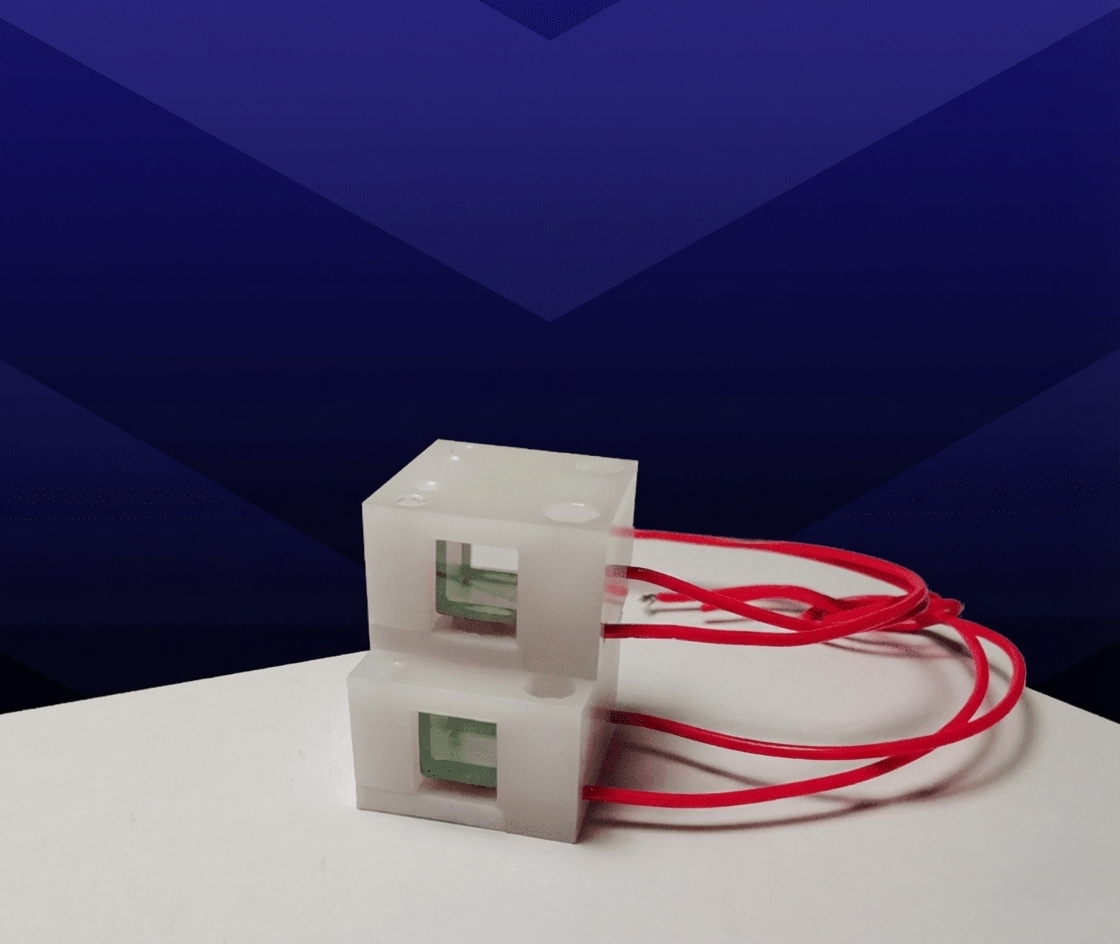
A microfluidic bubble trap is a device that is used to separate air bubbles from a liquid flow in microfluidic systems. Bubbles are generally undesirable in microfluidics, as even the smallest of them can completely ruin a biological or chemical experiment. They can damage cell membranes, disrupt droplet generation, block channels, prevent current conduction in a capillary, or sweep biological and chemical agents away. Bubbles can come from an inhomogeneous solution or from the presence of fluidic components with dead volumes, randomly getting in the fluidic path. Therefore, it is essential to remove these bubbles before they cause any damage, and adding a bubble remover to your microfluidic setup may be necessary to avoid endlessly repeating an experiment due to bubble-related damage.
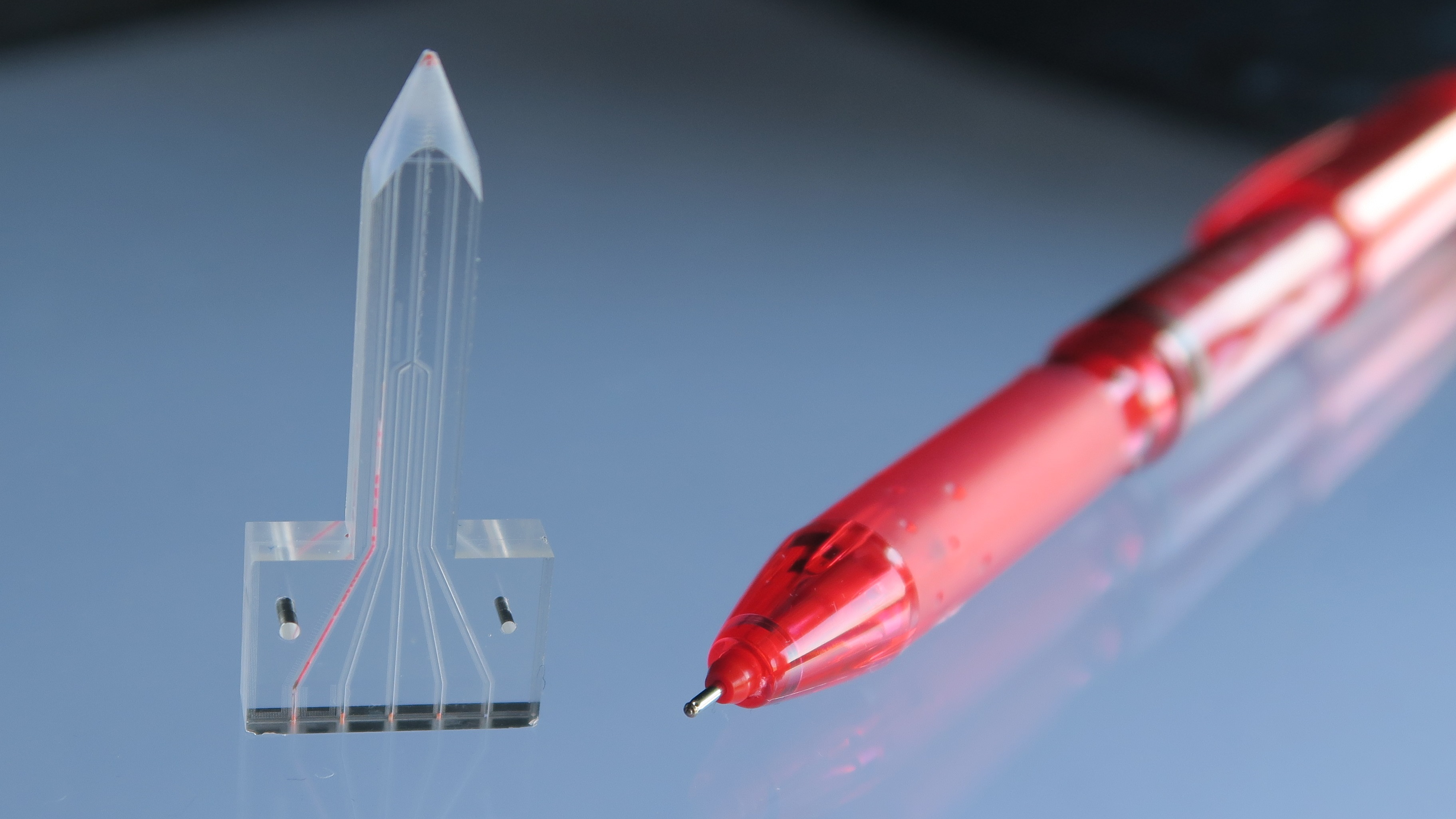
There are various ways to use a bubble remover, but the most common method involves using a hydrophobic micro-porous membrane (PTFE) that the liquid and air bubbles flow through. The hydrophobic surface repels the liquid, causing it to flow around the bubble and allowing the bubble to move freely towards the trap. The trap consists of a narrow channel where the bubble gets trapped and diverted to an area where it can be removed from the system. The narrow channel’s design ensures that the bubble is trapped, and the liquid can flow freely without any interference from the air bubble.
To use a debubbler, you need to ensure that it is properly integrated into your microfluidic system. This involves connecting the trap’s inlet and outlet channels to the main microfluidic channels, allowing the liquid to flow through the trap. It is important to note that the device’s efficiency depends on various factors such as the flow rate, the viscosity of the liquid, and the size of the air bubbles. Therefore, it is crucial to optimize these parameters for best results.




.jpg)


.png)